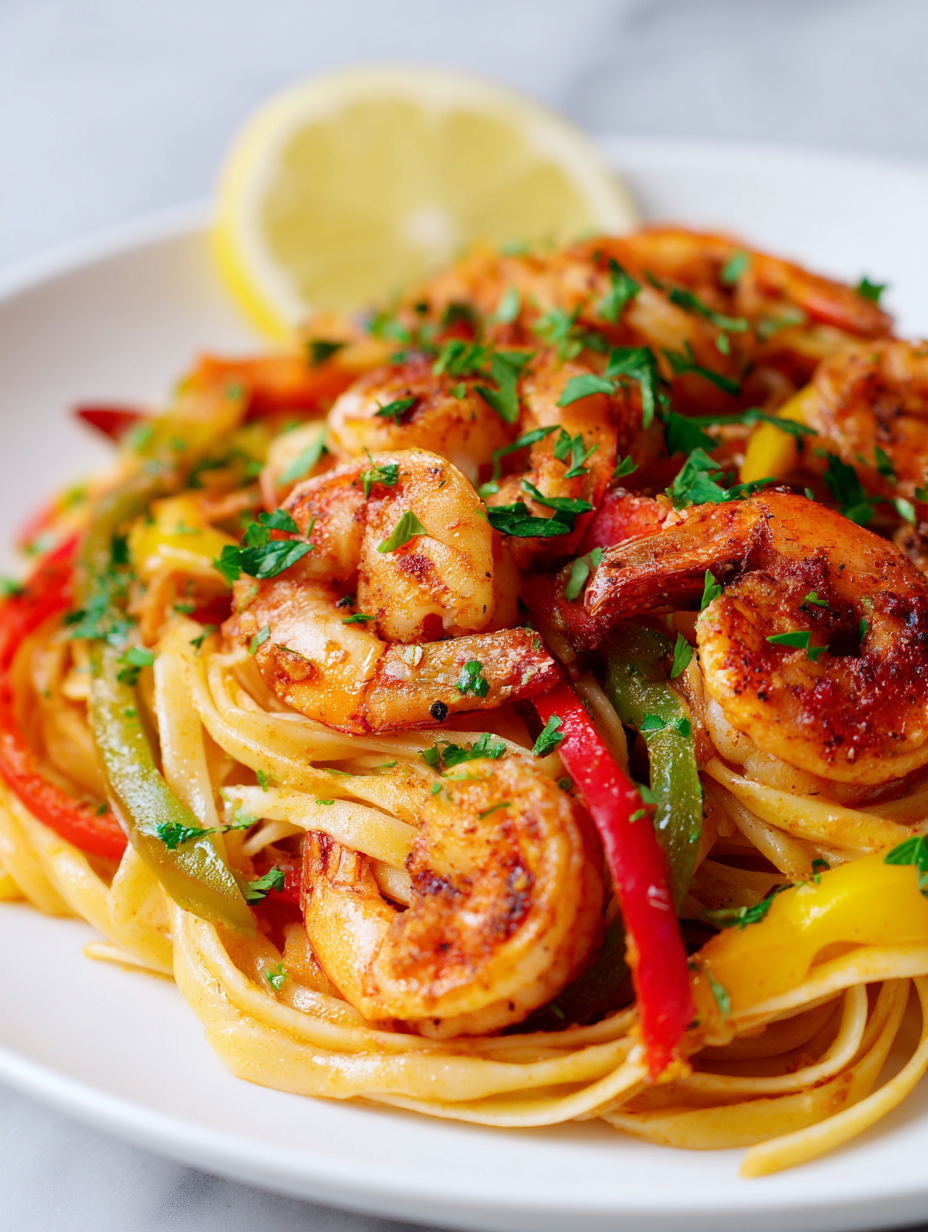
This Shrimp Cajun Pasta isn’t about overwhelming heat but about balancing spice with fresh, briny shrimp and creamy, comforting pasta. It’s a dish that invites you to play with flavors—adjusting heat levels and seasoning until it sings just right for your palate. I love how a simple pantry find can turn into a lively, satisfying meal in under 30 minutes, perfect for a weeknight push or unexpected guests.
What makes this recipe stand out is the dance of smoky, spicy notes with the bright oceanic burst from the shrimp. I’ve learned that the key is in careful seasoning—adding heat gradually and tasting often. It’s a dish that feels bold but also flexible, and it’s become my go-to when I want something familiar yet vibrant, with just enough kick to keep me coming back for more.
Focusing on the underappreciated importance of balancing Cajun spice heat with the freshness of shrimp and creamy pasta, this recipe emphasizes how careful seasoning can transform a simple dish into a vibrant, satisfying meal that adapts to both spicy and milder palates.
Balancing Spice and Freshness
- This dish reminds me of lively nights in New Orleans, where spice and camaraderie go hand in hand.
- I used to hesitate over Cajun seasoning, but now I see it as a warm hug for the palate, not a punch to the face.
- There’s a quiet satisfaction in perfecting that smoky, spicy crust on the shrimp—it’s my small victory every time.
- Cooking this always takes me back to lazy weekends when I’d turn on jazz and mess around with flavors.
- I love how a splash of lemon brightens the whole dish, balancing the heat and making every bite feel fresh.
The story behind this recipe
This recipe was born out of a night when I had a handful of shrimp, some pantry spices, and a craving for something spicy yet comforting. I wanted to create a dish that captured the smoky warmth of Cajun seasoning without overwhelming the natural sweetness of the shrimp. It’s a meal I turn to when I need something quick, satisfying, and with a little kick to wake up the senses.
Cajun Pasta’s Cultural Roots
- This dish blends Cajun roots with the coastal freshness of shrimp, a fusion born in Louisiana’s vibrant food scene.
- Historically, Cajun seasoning was a way to preserve spices and add bold flavor in resource-scarce bayou communities.
- Shrimp became a staple in Cajun cooking due to the abundance of local waters, making it both affordable and flavorful.
- The spicy, smoky profile of Cajun dishes was originally a way to mask less-than-fresh ingredients before refrigeration.
Ingredient breakdown: key components
- Shrimp: I love using deveined, tail-on shrimp for that extra briny burst and visual appeal. If fresh isn’t available, frozen works fine—just thaw thoroughly and pat dry to avoid excess water in the pan.
- Cajun seasoning: I rely on a homemade blend—paprika, cayenne, garlic powder, onion powder, thyme, and oregano. Adjust the heat by adding less cayenne if you prefer milder, or more for fiery punch.
- Cream: Heavy cream makes the sauce luxuriously smooth and rich. If you want a lighter version, try half-and-half—just don’t expect it to be as velvety and indulgent.
- Pasta: I prefer fettuccine or linguine—long strands that cling to the sauce. Cook until just al dente, about 1 minute less than package directions, so it doesn’t turn mushy when tossed.
- Garlic: I use freshly minced garlic—its pungent aroma and slightly spicy bite make the sauce sing. If pressed for time, pre-minced jars work, but fresh is best for flavor.
- Olive oil: Use a good fruity olive oil for sautéing—the smoky undertones add depth. Keep the heat moderate so it doesn’t smoke or burn, about 180°C / 350°F.
- Lemon: A bright squeeze at the end lifts everything. I love the zing it gives—just a teaspoon of lemon juice, added right before serving, makes a world of difference.
Spotlight on key ingredients
Shrimp:
- I love using deveined, tail-on shrimp for that extra briny burst and visual appeal. If fresh isn’t available, frozen works fine—just thaw thoroughly and pat dry to avoid excess water in the pan.
- Cajun seasoning: I rely on a homemade blend—paprika, cayenne, garlic powder, onion powder, thyme, and oregano. Adjust the heat by adding less cayenne if you prefer milder, or more for fiery punch.
Cream & Pasta:
- Cream: Heavy cream makes the sauce luxuriously smooth and rich. If you want a lighter version, try half-and-half—just don’t expect it to be as velvety and indulgent.
- Pasta: I prefer fettuccine or linguine—long strands that cling to the sauce. Cook until just al dente, about 1 minute less than package directions, so it doesn’t turn mushy when tossed.
Notes for ingredient swaps
- Seafood Swap: Use scallops or firm white fish instead of shrimp. They won’t have that briny pop, but still deliciously tender.
- Spice Level: Reduce cayenne or add smoked paprika for a milder, smoky flavor without the heat explosion.
- Cream Alternatives: Coconut milk or cashew cream can replace heavy cream for dairy-free versions, though the texture and richness will differ.
- Pasta Choices: Swap fettuccine for gluten-free or vegetable-based noodles to suit dietary needs or add a different texture.
- Herb Boost: Fresh thyme or oregano can replace parsley for a more aromatic, earthy note that complements Cajun spices.
- Oil Options: Avocado or grapeseed oil can be used instead of olive oil—both have higher smoke points and neutral flavors.
- Lemon: Lime juice can substitute for lemon, bringing a slightly different brightness but still fresh and tangy.
Equipment & Tools
- Large skillet: To sear shrimp and make the sauce in one pan.
- Tongs: To flip shrimp and toss pasta for even cooking.
- Pasta pot: To cook the pasta efficiently.
- Knife: For mincing garlic and any garnishes.
- Measuring spoons and cup: To measure spices, cream, and lemon juice accurately.
Step-by-step guide to Cajun Pasta
- Gather your equipment: large skillet (preferably cast iron), tongs, pasta pot, sharp knife, and a measuring spoon. This helps keep everything within reach and organized.
- Cook the pasta: Boil 4 quarts of salted water (about 1 tbsp salt). Add 12 oz of fettuccine or linguine. Cook until just al dente, about 1 minute less than package instructions—aim for a firm bite. Drain and set aside, reserving a cup of pasta water.
- Prepare the shrimp: Pat 1 lb of deveined, tail-on shrimp dry. Season lightly with salt and a pinch of Cajun seasoning. Heat a tablespoon of olive oil in your skillet over medium-high heat (about 180°C / 350°F).
- Sear the shrimp: Place shrimp in the hot skillet. Cook for 2-3 minutes per side until they turn pink and slightly charred around the edges. Use tongs to flip—look for a smoky, crisp exterior. Remove and set aside.
- Make the sauce: In the same skillet, add another tablespoon of olive oil. Sauté 3 minced garlic cloves until fragrant, about 30 seconds. Add 2 tablespoons of Cajun seasoning and cook for 1 minute, stirring constantly—smoke and spice should fill the air.
- Combine and simmer: Pour in 1 cup of heavy cream. Bring to a gentle simmer, stirring often, until it thickens slightly and becomes velvety, about 3-4 minutes. If too thick, stir in reserved pasta water a tablespoon at a time until creamy and loosened.
- Add the shrimp and pasta: Return shrimp to the skillet. Toss with the sauce for 1-2 minutes until warmed through. Add cooked pasta, tossing gently to coat everything evenly. Adjust seasoning with salt or more Cajun spice if needed.
- Finish and serve: Squeeze a teaspoon of lemon juice over the dish. Garnish with chopped parsley if desired. Plate immediately, allowing the aroma of spice and garlic to greet each bite.
- Rest briefly: Let the pasta sit off heat for a minute to settle. Serve hot, with a sprinkle of fresh herbs if you like, and enjoy that smoky, spicy, creamy goodness.
Let the pasta sit off heat for a minute. Plate with a splash of fresh lemon juice and a sprinkle of herbs. Serve immediately to enjoy the creamy, smoky, spicy flavors at their best.
How to Know It’s Done
- Shrimp are pink, firm, and slightly charred around the edges.
- Sauce is velvety, slightly thickened, and coats the pasta evenly.
- Pasta is al dente, with a slight bite and not mushy.
Shrimp Cajun Pasta
Ingredients
Equipment
Method
- Start by cooking your pasta in a large pot of salted boiling water until just al dente, following the package instructions. Drain and set aside, reserving a little pasta water.
- While the pasta cooks, pat your shrimp dry and season lightly with salt and a pinch of Cajun seasoning. Heat olive oil in your skillet over medium-high heat until shimmering.
- Place the shrimp in the hot skillet, arranging them in a single layer. Sear for about 2-3 minutes per side until they turn pink, slightly charred, and develop a smoky crust. Use tongs to flip and cook evenly. Remove shrimp from the skillet and set aside.
- In the same skillet, add a little more olive oil if needed and sauté the minced garlic over medium heat for about 30 seconds until fragrant, smelling sweet and slightly spicy. Be careful not to burn it.
- Add the Cajun seasoning to the garlic and cook for another minute, stirring constantly. The mixture will become fragrant with smoky, spicy aromas filling the air.
- Pour in the heavy cream and bring to a gentle simmer. Stir often, letting the sauce thicken slightly and turn velvety, about 3-4 minutes. If it gets too thick, stir in a splash of reserved pasta water to loosen it.
- Return the cooked shrimp to the skillet, tossing gently to coat them in the creamy sauce. Warm through for about 1-2 minutes.
- Add the cooked pasta to the skillet, tossing everything together until evenly coated with the sauce. Squeeze in the lemon juice for brightness and stir to combine.
- Taste and adjust the seasoning if needed. Serve immediately, garnished with chopped herbs or parsley for a fresh finishing touch. The dish should look creamy, vibrant, and inviting.
Pro tips for Cajun pasta
- Bolded Mini-Head: Use high heat when searing shrimp to get a smoky, crisp exterior without overcooking.
- Bolded Mini-Head: Add cajun seasoning gradually—smell for that smoky, spicy aroma before adding more.
- Bolded Mini-Head: Use pasta water to loosen the sauce—its starchy goodness helps cling and thicken without lumps.
- Bolded Mini-Head: Cook garlic until fragrant, not browned—bitter, burnt garlic ruins the sauce’s delicate balance.
- Bolded Mini-Head: Toss pasta and shrimp in the sauce off heat—preserves tenderness and prevents overcooking.
- Bolded Mini-Head: Finish with lemon juice just before serving—brightens flavors and cuts through richness.
- Bolded Mini-Head: Keep an eye on the shrimp—pink and firm, not gray or rubbery, is your cue to remove from heat.
Common mistakes and how to fix them
- FORGOT to pat shrimp dry—leads to splattering, fix with thorough drying before cooking.
- DUMPED too much seasoning—overwhelms dish, reduce and taste as you go.
- OVER-TORCHED the garlic—bitter taste, cook on lower heat, stir constantly.
- USED cold cream—causes clumping, warm it slightly before adding.
Quick Fixes and Pantry Swaps
- When sauce separates, splash in a bit of warm water and stir gently.
- If shrimp turn rubbery, remove from heat sooner and avoid overcooking.
- Splash lemon juice at the end to brighten dull flavors and balance spice.
- Patch over-salted sauce with a splash of cream or pasta water to mellow saltiness.
- Shield pan from steam by using a lid slightly ajar when reheating to prevent overflow.
Prep, store, and reheat tips
- Prep the shrimp: peel, devein, and dry thoroughly. Keep refrigerated for up to 24 hours; ensures quick cooking and prevents excess water.
- Cook the pasta ahead: boil until al dente, drain, and toss with a little oil to prevent sticking. Store in an airtight container for up to 2 days in the fridge.
- Make the Cajun seasoning blend: mix spices in advance. Store in an airtight jar for up to 1 month; flavors deepen over time.
- Reheat sauce gently: warm in a saucepan over low heat, stirring often, until bubbling and smooth. The creamy texture may thicken—stir in a splash of milk or pasta water to loosen.
- Reheat leftovers: in the microwave or on the stove, until hot and bubbly. Expect the sauce to separate slightly; stir well to restore creaminess.
- Flavor intensifies over time: store leftovers in an airtight container for up to 3 days. The spice melds and the sauce thickens, so adjust with a little liquid during reheating.
Top questions about Shrimp Cajun Pasta
1. Can I use frozen shrimp?
Use fresh or thawed shrimp; fresh gives a firmer bite and brighter flavor, but frozen works well if thoroughly thawed and dried.
2. How spicy is this dish?
Adjust the Cajun spice to your taste—less cayenne for milder heat, more for a fiery kick. Taste as you go!
3. Can I make this dairy-free?
Yes, coconut milk or cashew cream can replace heavy cream for a dairy-free version, but expect a slightly different richness.
4. What pasta works best?
Cook pasta until just al dente—about 1 minute less than package suggests. It prevents mushiness when tossed with sauce.
5. When should I add lemon?
Add lemon juice just before serving; it brightens the dish and balances the spice with a fresh zing.
6. What pan should I use?
Use a cast iron skillet or heavy-bottomed pan for even searing and better flavor development.
7. How do I know when shrimp are done?
Overcooking shrimp makes them rubbery—remove from heat once they turn pink and are slightly firm to the touch.
8. How do I fix a thick sauce?
Stir in pasta water to loosen the sauce if it gets too thick or sticky. The starch helps coat everything evenly.
9. Can I make it ahead?
Store leftovers in an airtight container in the fridge for up to 3 days. Reheat gently and add a splash of cream or water if needed.
10. What if the sauce separates?
If sauce splits, gently stir in warm water or cream to bring it back together. Keep heat low to avoid further separation.
This dish isn’t just about bold flavors; it’s about the simple joy of combining fresh seafood with smoky spice in a way that feels both indulgent and approachable. When you make it, you’re tapping into a tradition that’s rich in history and personal memory, especially during these warmer months when seafood feels just right.
Sharing this pasta with someone you care about turns a quick meal into a moment of connection. It’s messy in the best way—spicy, creamy, and full of flavor that lingers long after the last bite. That’s what makes a dish like this stay in your rotation, no matter how often you cook it.

Hi, I’m Lucas Foster, the cook, writer, and everyday food enthusiast behind Totally in the Zone. This space is where my love for cooking meets my belief that food should fit into real life. Not rushed. Not overcomplicated. Just thoughtful, satisfying, and made with intention.