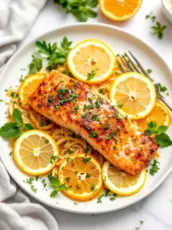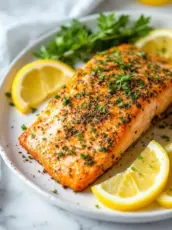
This shrimp garlic butter pasta is one of those dishes that sneaks up on you with its simplicity. It’s not fancy, but the combo of buttery, garlicky shrimp with tender pasta hits just right after a long day. I love how quick it comes together, especially when I want something satisfying but don’t want to spend ages cooking.
The trick is in the details—good quality butter, fresh garlic, and perfectly cooked shrimp. It’s a recipe that feels indulgent without the fuss, perfect for weeknights or when you’re craving comfort food with a bit of a fancy feel. Honestly, it’s become my go-to, especially when I need dinner fast but still want to enjoy every bite.
This recipe focuses on the unexpected joy of making a rich, buttery pasta that’s surprisingly quick to whip up, perfect for those nights when you want comfort food but don’t want to spend hours in the kitchen. The secret lies in balancing the garlicky, buttery sauce with the tender shrimp, creating a dish that feels indulgent yet effortlessly simple.
The Unexpected Elegance of Simple Pasta
- I remember the first time I made this and realized how a simple dish could feel so luxurious.
- Cooking this dish always makes me nostalgic for summer evenings by the coast, fresh seafood in the air.
- There’s a chaotic joy in tossing everything together quickly, knowing it’ll turn out just right.
- It’s a relief to have a recipe that’s forgiving, with a flavor that’s bold but not overwhelming.
- Sharing this with friends always sparks a sense of pride—simple ingredients, big impact.
The story behind this recipe
- This dish came together one busy weeknight when I realized I had no plan but lots of shrimp and garlic. I threw everything in a pan and somehow it turned into this rich, buttery pasta that felt indulgent but wasn’t a fuss to make. Ever since, I keep coming back to it whenever I want comfort without the clutter.
- There’s a quiet thrill in watching simple ingredients—shrimp, garlic, butter—transform into something surprisingly elegant. It’s become a bit of a ritual: a quick, satisfying meal that somehow feels like a little treat, even on the most chaotic evenings.
- Making this recipe always reminds me that the best meals don’t need complicated techniques—just honest flavors and a bit of love tossed in at the right moment.
Historical and Cultural Roots
- This dish draws inspiration from coastal Mediterranean cuisines, where garlic and seafood are staple flavors.
- Historically, garlic butter sauces became popular in French cuisine but found their way into Italian and Spanish dishes over centuries.
- Shrimp has been a culinary favorite for centuries, especially in coastal regions where fresh seafood was abundant.
- The combination of garlic, butter, and seafood was considered a luxurious yet accessible meal in mid-20th-century home cooking.
- Modern quick pasta recipes like this often adapt traditional methods, blending simplicity with rich, bold flavors.
Key Ingredients and Tips
- Shrimp: I prefer using deveined, tail-on shrimp for ease of eating and a better presentation. Their firm texture and sweet, briny flavor really shine here; if you use peeled, deveined shrimp, just be gentle when tossing to avoid overcooking.
- Garlic: Fresh garlic is a must—its pungent aroma and spicy bite mellow into a sweet, fragrant note as it cooks. If you only have pre-minced, add it later to prevent burning, which can turn bitter and overshadow the dish.
- Butter: I rely on good quality unsalted butter for that rich, velvety sauce. Let it melt slowly over medium heat until it’s just bubbling gently—if it browns too quickly, reduce the heat to avoid a smoky, bitter flavor.
- Pasta: I like a long, sturdy spaghetti or linguine—something that catches the sauce well. Cook it just to al dente, so it’s tender but still has a little chew, and reserve some pasta water to loosen the sauce if needed.
- Olive oil: A splash of good extra virgin olive oil at the start helps keep the shrimp tender and prevents sticking. If you notice the oil smoking, turn down the heat immediately—burnt oil adds a harsh note.
- Lemon: Brightens everything up with a fresh, zesty zing. Squeeze it in at the end for a lively contrast to the buttery richness—don’t skip this step if you want that vibrant flavor pop.
- Parsley: Fresh parsley adds a crisp, herbal freshness and a splash of color. Chop it right before adding to keep its bright flavor and avoid wilting—your dish will look and taste fresher.
Spotlight on key ingredients
Shrimp:
- I use deveined, tail-on shrimp for easy eating and presentation. They turn plump and pink quickly, with a sweet, briny aroma that fills the kitchen. Overcooking makes them tough; cook just until opaque and firm.
- Garlic: Fresh garlic is essential—its pungent, spicy scent deepens into a fragrant sweetness as it cooks. When sliced thin, it crisps up quickly, adding a smoky crunch. Burnt garlic turns bitter, so keep heat moderate and stir often.
Garlic:
- Its spicy bite transforms into a fragrant, sweet aroma when sautéed. When minced finely, it disperses evenly and infuses the oil, but be careful—burning it quickly turns that lovely scent bitter and harsh. Slicing thin gives a crispy texture, adding a lovely crunch to the dish.
- ingredient
Notes for ingredient swaps
- Dairy-Free: Swap butter for coconut oil or a good-quality vegan butter. The flavor will be lighter and less rich, but still satisfying.
- Shellfish: Use scallops or firm white fish instead of shrimp for a different seafood twist, keeping that tender bite.
- Gluten-Free: Replace regular pasta with rice noodles or gluten-free spaghetti. The texture may vary slightly, but it still absorbs flavors well.
- Vegan: Use plant-based butter and skip the shrimp, adding sautéed mushrooms or tofu for hearty bites and umami.
- Extra Kick: Add a pinch of red pepper flakes or a dash of hot sauce to the garlic butter for a spicy edge that wakes up the dish.
- Herb Variations: Swap parsley for basil or cilantro depending on what’s fresh and available—each brings a unique brightness.
- Lemon Substitutes: Lime juice can replace lemon for a more citrusy, slightly sweeter punch that complements seafood.
Equipment & Tools
- large skillet: To cook shrimp and develop the sauce.
- pasta pot: To boil and drain the pasta.
- slotted spoon: To remove shrimp without excess oil or liquid.
- measuring spoons: To measure garlic, lemon juice, and other ingredients precisely.
- sharp knife: To mince garlic and chop parsley.
Step-by-step guide to Shrimp Garlic Butter Pasta
- Equipment ready: large skillet (preferably non-stick), pasta pot, slotted spoon, tongs, measuring spoons, cutting board, sharp knife.
- Boil water: Fill a large pot with 4 liters (about 4 quarts) of water. Salt generously—like sea water. Bring to a rolling boil at 100°C (212°F).
- Cook pasta: Add 400g (14 oz) of spaghetti or linguine. Cook for 8-10 minutes until just al dente. Drain, saving about 1/2 cup pasta water, and set aside.
- Prepare shrimp: While pasta cooks, peel and devein 300g (10 oz) shrimp if not already done. Pat dry with paper towels. Season lightly with salt.
- Heat pan: Place skillet over medium heat (around 160°C/320°F). Add 2 tbsp olive oil, swirl to coat, and wait until shimmering but not smoking.
- Cook shrimp: Add shrimp in a single layer. Sauté for 2-3 minutes on each side until pink and opaque. Remove with a slotted spoon, set aside.
- Make garlic butter: Reduce heat to medium-low (around 140°C/285°F). Add 3 tbsp unsalted butter. When melted and bubbling gently, add 4 minced garlic cloves. Sauté 30 seconds until fragrant—avoid burning.
- Build sauce: Return shrimp to pan. Toss with garlic butter, cooking for 1 minute to rewarm. Add cooked pasta, tossing to coat. If sauce is too thick, add reserved pasta water a tablespoon at a time.
- Finish and season: Squeeze in juice of half a lemon. Add a handful of chopped parsley. Taste and adjust salt or lemon. Cook for 1 minute to marry flavors.
- Plate and serve: Transfer pasta to warm plates. Finish with a small pat of butter or extra parsley if desired. Serve immediately, enjoying the rich, garlicky aroma.
Serve immediately on warmed plates. Garnish with extra parsley or a wedge of lemon for brightness. No resting needed; enjoy while hot and fragrant.
How to Know It’s Done
- Shrimp are bright pink, firm, and opaque when cooked through.
- Garlic is fragrant, slightly golden, not burnt or bitter.
- Pasta is tender but still has a slight chew (al dente), with a glossy sauce coating.
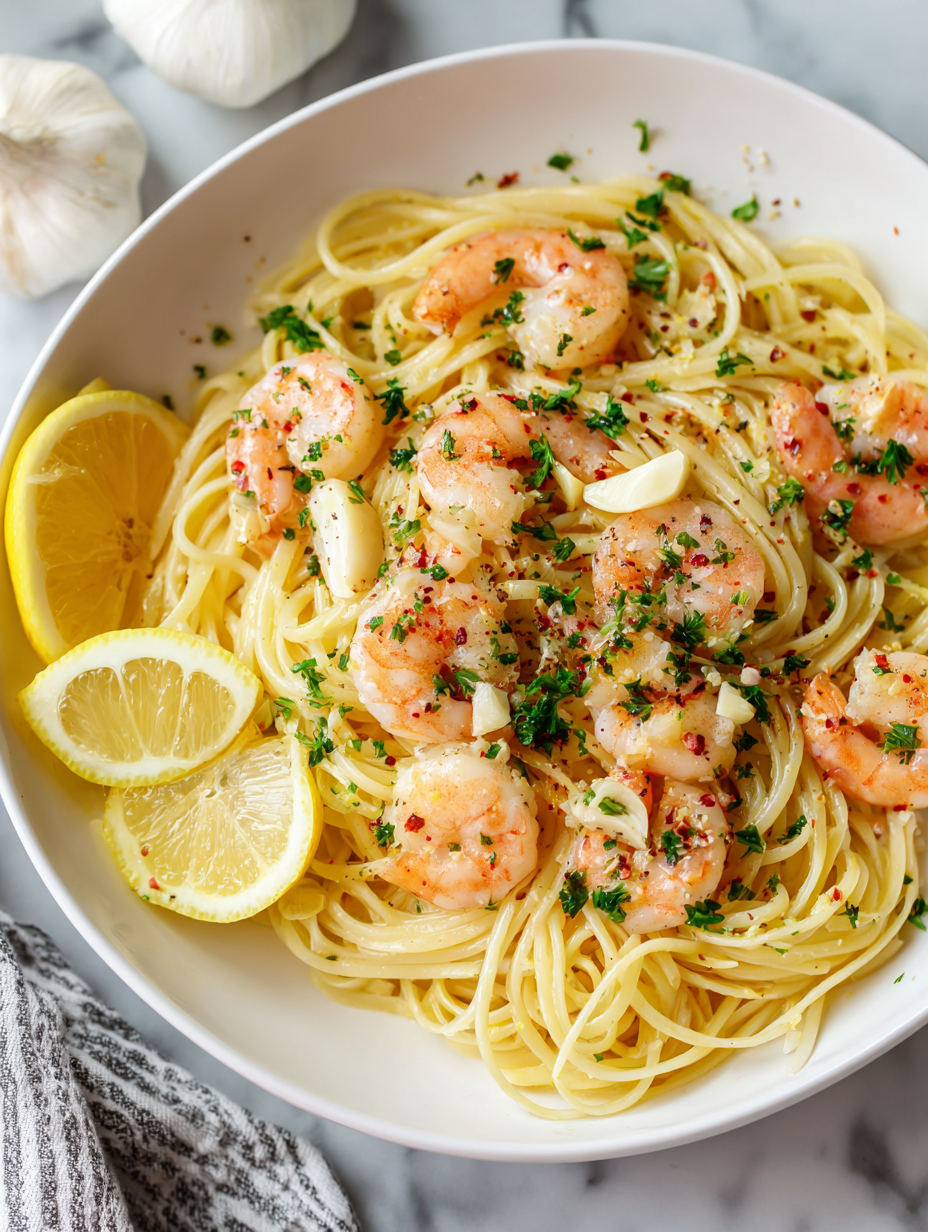
Shrimp Garlic Butter Pasta
Ingredients
Equipment
Method
- Bring a large pot of salted water to a rolling boil. Add the pasta and cook for 8-10 minutes until just al dente. Drain and set aside, reserving a small cup of pasta water.
- While the pasta cooks, peel and devein the shrimp if needed. Pat them dry with paper towels and season lightly with salt.
- Heat the large skillet over medium heat. Add the olive oil and let it shimmer before adding the shrimp in a single layer. Sauté for 2-3 minutes per side until they turn pink and are just cooked through. Remove the shrimp and set aside.
- Reduce the heat to medium-low. Add the butter to the skillet and let it melt gently until bubbling softly. Add the sliced garlic and sauté for about 30 seconds until fragrant, stirring constantly to prevent burning.
- Return the cooked shrimp to the skillet, tossing them in the garlic butter sauce for about a minute to rewarm and coat evenly.
- Add the drained pasta to the skillet, tossing everything together. If the mixture looks dry, splash in some reserved pasta water a tablespoon at a time until the sauce coats the noodles glossy and smooth.
- Squeeze the juice of half a lemon over the pasta, then sprinkle with chopped parsley. Toss gently to combine, and cook for another minute to let the flavors meld.
- Transfer the pasta to warm plates, garnishing with extra parsley if desired. Serve immediately while hot and fragrant, enjoying the rich aroma of garlic and butter with every bite.
Pro tips for perfect shrimp pasta
- garlic: Thinly slicing garlic ensures even cooking and crisp edges that add texture.
- Sizzle to aroma: Wait for the oil to shimmer before adding garlic—fragrant and quick to burn if hot too long.
- Butter balance: Use medium-low heat for butter to melt without browning, keeping the sauce smooth and velvety.
- Shrimp timing: Cook shrimp until they turn bright pink and firm—overcooking makes them rubbery and less juicy.
- Pasta water magic: Reserve a splash of pasta water to loosen the sauce if it becomes too thick or sticky.
- Lemon zing: Add lemon juice at the end to brighten flavors—wait until the dish cools slightly to avoid bitterness.
- Parsley freshness: Chop parsley just before serving—its herbal aroma and bright green color make all the difference.
Common mistakes and how to fix them
- FORGOT to adjust heat after adding garlic → turn down to prevent burning.
- DUMPED pasta water too quickly → reserve some for sauce consistency.
- OVER-TORCHED shrimp → cook just until pink and opaque, about 2-3 minutes per side.
- MISSED to season shrimp properly → add salt early to enhance flavor.
Quick Fixes and Pantry Swaps
- When sauce is too thick, splash in hot pasta water to loosen and shimmer.
- If garlic burns, remove from heat immediately and add fresh garlic to save flavor.
- Splash lemon juice at the end to brighten dull flavors after reheating.
- Patch overcooked shrimp with fresh herbs for a quick flavor boost.
- Shield pan from high heat with a lid if oil shimmers excessively, avoid smoky aroma.
Prep, store, and reheat tips
- Prep the shrimp: Peel and devein ahead of time, keep refrigerated for up to 24 hours, the smell should stay fresh and briny.
- Cook the pasta in advance: Slightly undercook by a minute, cool quickly, and store in an airtight container for up to 1 day in the fridge; it will soak up flavors and soften slightly.
- Make garlic butter: Prepare and store in a small jar in the fridge for up to 2 days; the butter solidifies but will melt smoothly when reheated, releasing a fragrant aroma.
- Reheat gently: Warm leftovers in a skillet over low heat, stirring often until hot and fragrant—watch for excess moisture or sogginess.
- Flavor change: The dish’s vibrant brightness diminishes over time; best enjoyed fresh, but reheated pasta retains a good amount of flavor if handled carefully.
Top Questions about Shrimp Pasta
1. Can I use frozen shrimp?
Use fresh, deveined shrimp with tails on for the best flavor and presentation. If using peeled shrimp, handle gently to avoid overcooking.
2. How do I know when the shrimp are done?
Yes, just thaw and pat dry them thoroughly. Frozen shrimp can be slightly softer, but still work well if cooked properly.
3. Should I peel the garlic or chop it?
Shrimp are ready when they turn bright pink, firm, and opaque—usually about 2-3 minutes per side over medium heat.
4. Is it okay to skip the lemon?
Chopping garlic finely releases more aroma and ensures quick, even cooking. Slicing thin gives crispy bits for texture.
5. Can I make this dish vegan?
Skipping lemon will reduce the bright, fresh contrast. Add a splash of vinegar or a pinch of lemon zest if you want some acidity.
6. How long does the pasta last in the fridge?
Yes, substitute the shrimp with sautéed mushrooms or tofu, and use vegan butter or oil for the sauce.
7. How do I reheat without drying out the pasta?
Stored in an airtight container, leftovers are best enjoyed within 1-2 days for optimal freshness and flavor.
8. Can I freeze this dish?
Warm gently in a skillet over low heat, adding a splash of water or broth to revive the sauce while keeping the pasta moist.
9. What if the sauce is too salty?
It’s better fresh, but you can freeze leftovers for up to a month. Reheat slowly to prevent mushiness or overcooking the shrimp.
10. Why did my shrimp turn rubbery?
Dilute with a bit of fresh pasta water or add a squeeze of lemon to balance out the saltiness.
This dish is a reminder that the simplest ingredients—shrimp, garlic, butter—can come together to create something truly satisfying. It’s perfect for those nights when you want comfort with minimal fuss, especially as seasonal seafood feels so fresh and lively right now.
Sharing a plate of this pasta always brings a little chaos and joy to the table, and honestly, that’s what makes cooking fun. It’s honest, easy, and full of flavor—exactly what I need when I want dinner that feels like a small celebration.

Hi, I’m Lucas Foster, the cook, writer, and everyday food enthusiast behind Totally in the Zone. This space is where my love for cooking meets my belief that food should fit into real life. Not rushed. Not overcomplicated. Just thoughtful, satisfying, and made with intention.