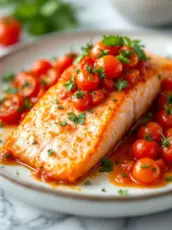
Cooking shrimp arrabbiata isn’t just about tossing ingredients together; it’s about mastering balance. The fiery penne sauce, rich with garlic and chili, can easily drown the delicate sweetness of shrimp if you’re not careful. I like to think of it as a dance—each element needs space to shine, especially the seafood, which cooks quickly and needs gentle handling.
This recipe came about after a trip to Italy where I fell for the way they balance spice and seafood without fuss. It’s a dish that feels spontaneous but requires a little finesse. The heat level is adjustable, making it perfect for those who love a little kick but still want that tender, juicy shrimp to be the star. It’s honest cooking—messy, flavorful, and deeply satisfying.
Focusing on balancing the fiery heat of arrabbiata with the delicate sweetness of perfectly cooked shrimp, this recipe emphasizes how to coax out the bold flavors without overwhelming the tender seafood. It’s about learning to tune the spice level just right, so each bite offers a harmonious dance of heat and sweetness.
Balancing heat and sweetness
- I love how a quick splash of chili flakes can turn a simple shrimp dish into a fiery, memorable meal.
- There’s a small thrill in balancing the spice so it lingers just enough, but never burns through the sweetness of the shrimp.
- Cooking this reminds me of lazy summer nights in Italy, where everything feels a little more vibrant, a little more alive.
- Getting the shrimp perfectly tender without overcooking is my small victory every time I make this dish.
- I find joy in the chaos of garlic, chili, and ripe tomatoes simmering together—each time I cook, it smells like home.
The story behind this recipe
This recipe was born out of a desire to capture that moment when spicy meets sweet—something I experienced during a chaotic, lively dinner with friends in Naples. We kept tweaking the heat, balancing it against the natural sweetness of shrimp, and I realized how this simple dish could be a celebration of contrasts. It’s honest cooking, born from late-night experiments and a craving for something fiery yet tender, just like those Italian summer evenings. Every time I make it, I think about how a little chaos in the kitchen can lead to real flavor harmony.
Contextual origin, trivia, or history
- Shrimp Arrabbiata merges the fiery spirit of Roman pasta with the coastal sweetness of shrimp, a union born from Italy’s love for bold flavors.
- The term ‘Arrabbiata’ means ‘angry’ in Italian—referring to the dish’s signature spicy kick that can make your senses tingle.
- While traditionally served with pasta, the spicy tomato sauce was originally a way for Italian fishermen to enjoy a quick, flavorful meal after long days at sea.
- This dish’s spice level is adaptable—a nod to Italy’s regional variations, where some prefer a gentle heat, and others go full fire.
- Cooking shrimp in this sauce highlights a lesser-known Italian seafood tradition, blending land and sea flavors in one fiery, fragrant bite.
Ingredient breakdown: key components
- Shrimp: I prefer large, fresh shrimp—firm, pink, and just starting to smell oceany. If yours are a bit off, soak them in cold water with a squeeze of lemon for 10 minutes.
- Garlic: I use plenty of thinly sliced garlic—its aroma is what truly wakes up the sauce. Skip it if you’re sensitive, but it’ll lose that fragrant punch.
- Chili flakes: I like a generous pinch of red pepper flakes—bright red and crackling in the pan, they give that fiery kick. Adjust based on your heat tolerance.
- Canned tomatoes: Ripe, crushed San Marzano are my go-to—sweet, bright, and slightly smoky. If you only have regular canned tomatoes, add a touch of smoked paprika for depth.
- Olive oil: Use good-quality extra virgin—its grassy, peppery notes help build the base flavor. If it’s bland, the sauce feels flat, so don’t skimp.
- Fresh parsley: Chopped at the end—its fresh, slightly bitter aroma balances the spice. If you don’t have it, basil can work in a pinch, but it’s not quite the same.
- Salt & pepper: I season in layers—taste as you go, especially after adding tomatoes. Too much salt can dull the heat, so go easy until the end.
Spotlight on key ingredients
Shrimp:
- I prefer large, fresh shrimp—firm, pink, and just starting to smell oceany. If yours are a bit off, soak them in cold water with a squeeze of lemon for 10 minutes.
- Garlic: I use plenty of thinly sliced garlic—its aroma is what truly wakes up the sauce. Skip it if you’re sensitive, but it’ll lose that fragrant punch.
Chili flakes & canned tomatoes:
- Chili flakes: I like a generous pinch of red pepper flakes—bright red and crackling in the pan, they give that fiery kick. Adjust based on your heat tolerance.
- Canned tomatoes: Ripe, crushed San Marzano are my go-to—sweet, bright, and slightly smoky. If you only have regular canned tomatoes, add a touch of smoked paprika for depth.
Notes for ingredient swaps
- Seafood-Free: Use firm tofu or tempeh, sliced thinly. They absorb flavors well but lack that sweet ocean scent.
- Spicy Heat: Swap chili flakes for smoked paprika for a smoky, milder warmth that still adds depth.
- Tomatoes: Fresh cherry tomatoes blended in can mimic the brightness if canned aren’t available. Adds a fresh, slightly sweet note.
- Olive Oil: Avocado oil can replace it, offering a milder flavor but still rich and smooth under heat.
- Herbs: Basil can stand in for parsley—less bitter, with a slightly sweeter aroma that complements the heat.
- Garlic: Shallots or leek tops can substitute, but they’ll bring a different, subtler aroma to the sauce.
- Salt & Pepper: Sea salt or flaky sea salt adds a crunch and mineral note; pepper can be replaced with a pinch of cayenne for more kick.
Equipment & Tools
- Large skillet: Cook shrimp and sauce evenly without overcrowding.
- Sharp knife: Prep garlic and shrimp efficiently.
- Cutting board: Provide a safe surface for chopping ingredients.
- Wooden spoon: Stir sauce gently without scratching the pan.
- Timer: Track cooking times precisely.
Step-by-step guide to Shrimp Arrabbiata
- Equipment & Tools: Gather a large skillet (preferably non-stick), a sharp knife, a cutting board, a wooden spoon, and a timer. The skillet ensures even heat for the shrimp and sauce, while the knife and cutting board help prep ingredients efficiently.
- Heat 2 tbsp olive oil over medium heat (~160°C/320°F) in the skillet. When shimmering, add 4-5 sliced garlic cloves. Cook 30 seconds until fragrant, but don’t let it brown—burned garlic turns bitter.
- Add 1/2 tsp red pepper flakes (or to taste). Crackle and release spicy aroma—this is your signal. Immediately pour in 1 can (400g) crushed San Marzano tomatoes. Stir and bring to a gentle simmer (~85°C/185°F).
- Season sauce with salt and a pinch of sugar. Simmer uncovered for 10 minutes, stirring occasionally. The sauce should thicken slightly and smell smoky-sweet, with vibrant red color. If it thickens too much, add a splash of water.
- Meanwhile, prepare 400g large shrimp, peeled and deveined. Pat dry. When sauce is ready, push it aside slightly and increase heat to medium-high (~180°C/355°F).
- Add shrimp to the skillet. Cook for about 2 minutes per side, turning until they turn opaque and pink. They should jiggle slightly when done—avoid overcooking, or they’ll get rubbery. If they curl tightly, they’re overdone.
- Toss the shrimp in the sauce, coating evenly. Cook together for another 1-2 minutes, allowing flavors to meld. Taste and adjust seasoning—more salt or chili if needed.
- Turn off heat. Sprinkle with chopped fresh parsley and a squeeze of lemon for brightness. Let sit for a minute to settle flavors.
- Resting & Finishing: Serve immediately with warm crusty bread or over pasta. Garnish with extra parsley if desired. Keep warm until serving—don’t let it sit too long or the shrimp toughen.
- Checkpoints & How to Know It’s Done: Shrimp are opaque and slightly firm; sauce is vibrant, thickened, and fragrant; aroma is spicy with a hint of garlic and tomato.
Serve immediately on warm plates, garnished with parsley and a squeeze of lemon. Rest for a minute to let flavors settle, then enjoy the balanced heat and tender shrimp.
How to Know It’s Done
- Shrimp are fully opaque and firm to touch.
- Sauce has thickened slightly and smells smoky and bright.
- Color is rich and vibrant, not watery or dull.
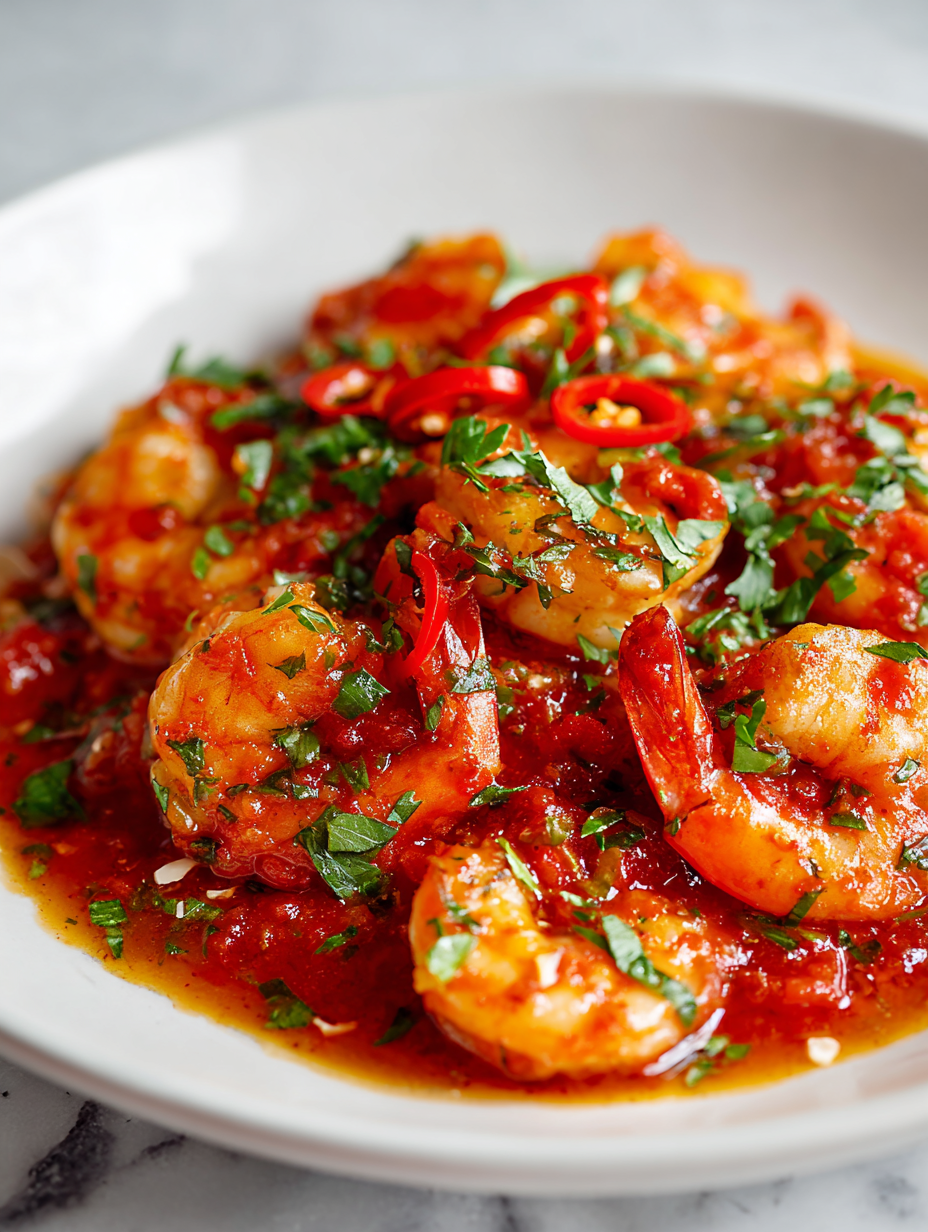
Shrimp Arrabbiata
Ingredients
Equipment
Method
- Gather all ingredients and prepare your tools, including a large skillet, sharp knife, and cutting board.
- Heat the olive oil over medium heat in the skillet until shimmering, then add the sliced garlic. Cook for about 30 seconds until fragrant, listening for a gentle sizzle and watching the garlic turn just golden.
- Add the red pepper flakes to the skillet and stir quickly to release their spicy aroma, about 10 seconds. Immediately pour in the crushed tomatoes, stirring to combine everything into a vibrant, bubbling sauce.
- Season the sauce with salt and pepper, then reduce the heat to low and let it simmer uncovered for about 10 minutes, stirring occasionally. The sauce should thicken slightly and smell smoky and spicy, with a lively red hue.
- While the sauce simmers, pat the shrimp dry and prepare to cook them quickly. Once the sauce is ready, increase the heat to medium-high, creating a hot surface for searing the shrimp.
- Arrange the shrimp in a single layer in the hot skillet and cook for about 2 minutes per side. They should turn opaque and pink, with a slight jiggle when done—avoid overcooking to keep them tender and juicy.
- Gently toss the cooked shrimp into the sauce, coating them evenly. Cook together for another 1-2 minutes, allowing the flavors to meld. Taste and adjust seasoning if needed.
- Remove from heat and sprinkle with freshly chopped parsley. Squeeze a little lemon over the top if desired for brightness. Let sit for a minute to let the flavors settle.
- Serve immediately over pasta or with crusty bread, ensuring each bite is a perfect balance of spicy tomato sauce and tender shrimp.
Pro tips for perfect Shrimp Arrabbiata
- Bolded mini-head: Use high heat to sear shrimp quickly, locking in juices and preventing overcooking.
- Bolded mini-head: Toast chili flakes in oil early to release their fiery aroma and deepen the flavor.
- Bolded mini-head: Add garlic towards the end of sautéing to preserve its fragrant, pungent qualities.
- Bolded mini-head: Stir the sauce frequently during simmering for even thickening and flavor development.
- Bolded mini-head: Taste and adjust seasoning at the end—salty, spicy, and bright should be balanced before serving.
- Bolded mini-head: Use fresh herbs like parsley or basil at the last moment to keep their vibrant aroma intact.
- Bolded mini-head: When adding shrimp, ensure they are in a single layer for even cooking and avoid overcrowding the pan.
Common mistakes and how to fix them
- TOO MUCH HEAT: Overcooking shrimp causes toughness. Fix: Remove from heat as soon as pink.
- SALT OVERDOSE: Too much salt dulls spice. Fix: Taste sauce before adding more seasoning.
- BURNED GARLIC: Burnt garlic turns bitter. Fix: Add garlic later or cook on lower heat.
- SAUCE TOO THICK: Thick sauce can burn. Fix: Add a splash of water or broth to loosen.
Quick fixes and pantry swaps
- If sauce is too thick, splash in warm water to loosen and shimmer.
- When shrimp are overcooked, quick rescue: remove from heat, cover, and let rest for 2 minutes.
- Splash extra chili flakes if spice is dull—smell for that bright, crackling aroma.
- Patch a bland sauce by stirring in a teaspoon of tomato paste for richness.
- Shield delicate shrimp from overcooking by removing from heat just as they turn pink and firm.
Prep, store, and reheat tips
- Prepare the sauce: Make the spicy tomato base a day ahead. It deepens in flavor overnight and can be reheated gently, releasing that smoky, bright aroma.
- Peel and devein shrimp in advance; keep them refrigerated in an airtight container for up to 24 hours. Pat dry before cooking to prevent splatter.
- Store leftover cooked shrimp and sauce separately in airtight containers. They’ll keep for up to 2 days in the fridge, maintaining tenderness and fresh flavor.
- Reheat gently: Warm the sauce over low heat until steaming, avoiding boiling which toughens shrimp. Reheat shrimp separately if cold, then combine just before serving.
- Sensory note: The sauce may mellow slightly after storage, but a quick splash of lemon or chili flakes during reheating can refresh the brightness and heat.
Top questions about Shrimp Arrabbiata
1. How do I pick good shrimp for this dish?
Look for bright pink, firm shrimp with a slight oceany smell. If they smell off, soak them briefly in cold water with lemon before cooking.
2. Which canned tomatoes work best for the sauce?
Use a good-quality canned tomato like San Marzano for sweetness and smoky depth. If unavailable, add a pinch of smoked paprika to regular tomatoes.
3. How long should I cook the shrimp?
Cook shrimp just until they turn opaque and pink, about 2 minutes per side. Overcooking makes them rubbery and tough.
4. How spicy should my arrabbiata be?
Adjust chili flakes based on your spice tolerance. Start with a small pinch and add more if you want more heat.
5. How do I know when the sauce and shrimp are done?
The sauce is ready when it thickens slightly, deep red, and fragrant with smoky, spicy notes. Shrimp should be tender and opaque.
6. Can I make this ahead and reheat?
Reheat gently over low heat, adding a splash of water if the sauce thickens too much. Shrimp should be reheated just until warm to avoid toughness.
7. What if my sauce thickens too much after cooking?
If the sauce gets too thick, stir in a little warm water or broth to loosen it up and restore shimmer.
8. How do I finish the dish for best flavor?
Fresh parsley or basil added at the end brings brightness. For extra flavor, squeeze a bit of lemon just before serving.
9. What equipment do I need?
Use a large skillet to prevent overcrowding, which helps the shrimp sear properly and the sauce cook evenly.
10. What common mistake should I avoid?
Overcooking shrimp causes toughness. Remove from heat as soon as they turn pink and firm, and they’ll stay tender.
Cooking this shrimp arrabbiata is a lesson in balancing fire and finesse. The smoky heat paired with sweet, tender shrimp makes every bite a small act of defiance against the ordinary.
In a world of quick fixes, this dish reminds me that honest, unpolished cooking—measured in aroma and texture—still holds its own. It’s messy, lively, and deeply satisfying in a way that’s hard to beat.

Hi, I’m Lucas Foster, the cook, writer, and everyday food enthusiast behind Totally in the Zone. This space is where my love for cooking meets my belief that food should fit into real life. Not rushed. Not overcomplicated. Just thoughtful, satisfying, and made with intention.