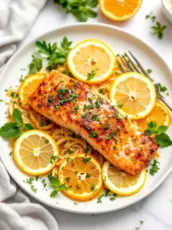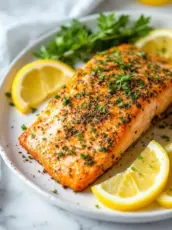
This shrimp zucchini pasta is my go-to when I want something quick, fresh, and satisfying without the heaviness of cream sauces or pasta overload. It’s a little bit of a cheat, honestly—using zucchini as noodles feels like a sneaky way to keep things light but still indulgent in flavor. I love how the shrimp caramelizes just right, and the lemony brightness cuts through the richness, making every bite lively and refreshing.
It’s one of those dishes I throw together after a long day when I need something nourishing but don’t want to spend ages in the kitchen. The best part? It’s versatile enough to tweak with what’s in the fridge—a sprinkle of cheese, a handful of cherry tomatoes, or even a dash of hot sauce if I want a bit of kick. It’s a reminder that good, satisfying food doesn’t have to be complicated.
Cooking this always feels like a little victory—simple, straightforward, and packed with flavor. Plus, it’s perfect for nights when I want to keep carbs low but still crave that cozy, comforting feeling of a pasta dish. Once that garlic hits the hot oil and the shrimp start to turn pink, I know I’m in for a good meal that’s quick to pull together and easy to enjoy.
This recipe is inspired by the need to make a quick, low-carb dinner that still feels indulgent and satisfying, especially after a long day when I crave comfort but want to keep it light. It’s about turning simple ingredients into something vibrant and fresh, without fuss or heavy sauces.
Turning zucchini into pasta
- This dish reminds me of summer evenings on the porch, where the scent of garlic and citrus mingles with the warm air.
- I love how it feels like a little celebration—bright, fresh, and quick enough to make after a hectic day.
- There’s a nostalgic joy in turning simple zucchini into noodles, like reclaiming childhood favorites with a grown-up twist.
- Cooking this always sparks a sense of pride—transforming humble ingredients into something vibrant and satisfying.
- Sometimes, I make this when I need a reminder that good food can come together in under thirty minutes, no fuss needed.
The story behind this recipe
- This dish came together one hectic weeknight when I found a bag of shrinking zucchini in the crisper and some leftover shrimp that needed using. I wanted something light but still satisfying, and honestly, turning zucchini into noodles felt like a little rebellious act against the usual pasta routine. The moment I sautéed the shrimp with garlic and lemon, I knew I had struck gold—something fresh, quick, and totally my kind of comfort food.
- It’s become my fallback for busy evenings, especially when I crave a meal that feels indulgent but isn’t weighed down. Plus, I love how the zucchini soak up the shrimp’s smoky juices and lemon’s zing, making each bite burst with brightness. It’s a dish that’s as much about improvising with what’s in the fridge as it is about flavor—no fuss, just good food.
- heading: The story behind this recipe
Historical and Cultural Tidbits
- This dish nods to the trend of low-carb, vegetable-forward meals that gained popularity in the early 2010s, blending ease with health-conscious eating.
- Turning zucchini into ‘pasta’ is believed to have roots in Italian cuisine, but it became a global phenomenon with the rise of spiralizers and the desire for lighter fare.
- The use of shrimp in quick, fresh pasta dishes has a long coastal tradition, especially in Mediterranean regions where seafood is abundant and a staple.
Ingredient breakdown: key components
- Shrimp: I love the sweet, smoky aroma of perfectly cooked shrimp; aim for a pink hue and firm texture, then toss in a pinch of smoked paprika for extra depth—swap with scallops if you prefer a milder seafood scent.
- Zucchini: When spiralized, zucchini feels cool and slightly watery, but sautéing it for just 2-3 minutes draws out its tender, al dente bite—try yellow squash if zucchini’s too watery for you.
- Garlic: Mincing garlic releases a pungent, fragrant oil that sizzles instantly; cook until golden for a nutty flavor, or add a pinch of chili flakes for heat—use shallots for a milder, sweeter note.
- Lemon: Bright and zesty, lemon juice and zest cut through the richness, adding a fresh zing; squeeze just before serving to preserve its punch—orange zest can brighten it with a sweeter citrus note.
- Olive Oil: A good drizzle of fruity, grassy olive oil adds richness and helps everything meld; heat gently to avoid bitterness—try avocado oil if you want a milder flavor.
- Parmesan: I prefer freshly grated Parmesan for a salty, umami kick that melts into the hot zucchini; skip or substitute with nutritional yeast for a dairy-free version that still delivers depth.
- Red Pepper Flakes: A pinch adds a subtle heat that lingers, balancing the sweet shrimp and zucchini; start small, then build up—if you want more kick, sprinkle in sliced jalapeños instead.
Spotlight on key ingredients
Shrimp:
- Their sweet, smoky aroma intensifies when cooked; aim for a firm, opaque texture that jiggles slightly but doesn’t feel rubbery. Adds a satisfying burst of flavor with each bite.
- Zucchini: When spiralized, they feel cool and watery, but sautéing for a few minutes draws out their tender, al dente bite. Their bright green color and slight crunch make every forkful lively.
Zucchini:
- Their mild, slightly sweet flavor adapts well during cooking, absorbing the garlic and lemon juices. The surface turns tender but still holds a slight bite, adding a fresh, light texture to the dish.
- They release a bit of water when heated, which helps create a subtle sauce that clings to the noodles and shrimp, giving each bite a vibrant, moist finish.
Notes for ingredient swaps
- Dairy-Free: Swap Parmesan for nutritional yeast; it adds umami without dairy, but with a nuttier, slightly different flavor.
- Vegetarian: Replace shrimp with firm tofu or tempeh, sautéed until golden; it soaks up flavors but loses that sweet seafood bite.
- Low-Sodium: Use less salt or opt for no-salt-added soy sauce or broth; keeps the dish light but may need a flavor boost elsewhere.
- Gluten-Free: Make sure your soy sauce (if used) is gluten-free, or substitute with coconut aminos for a sweeter, milder note.
- Citrus Variations: Substitute lemon with lime or orange zest and juice; each brings a different bright, tangy twist, so adjust the quantity.
- Oil Choices: Use avocado or grapeseed oil instead of olive oil for a neutral flavor that won’t compete with other ingredients.
- Herb Additions: Fresh basil or parsley can replace or complement herbs; adds freshness and a pop of color, but change the flavor profile.
Equipment & Tools
- Large skillet: Cook shrimp and zucchini evenly without overcrowding.
- Spiralizer: Create uniform zucchini noodles quickly and neatly.
- Sharp knife: Minimize effort and ensure even garlic mincing.
- Mixing bowl: Hold zucchini noodles until ready to sauté.
Step-by-step guide to shrimp zucchini pasta
- Equipment & Tools: Gather a large skillet (20cm/8in) for even heat distribution, a spiralizer to make zucchini noodles, a sharp knife, and a mixing bowl for prep.
- Spiralize 2 medium zucchinis into noodles—aim for uniform, slightly firm strands. Set aside.
- Pat 200g of raw shrimp dry with paper towels; season lightly with salt and pepper.
- Heat the skillet over medium-high heat (about 180°C/356°F). Add 1 tbsp olive oil, swirling to coat.
- Add shrimp to hot oil. Cook for 2-3 minutes per side, until pink and opaque. Remove and set aside.
- In the same skillet, add 2 minced garlic cloves; sauté for 30 seconds until fragrant and just golden.
- Toss in zucchini noodles; sauté for 2-3 minutes, stirring often, until just tender but still bright green and slightly crisp.
- Return shrimp to skillet. Add juice and zest of 1 lemon; stir to coat everything evenly.
- Cook for another minute, until the zucchini is glistening and the shrimp are heated through. If the mixture looks dry, add a splash of water or more oil.
- Taste and adjust seasoning—add more lemon, salt, or red pepper flakes as preferred.
- Resting & Finishing: Serve immediately with a sprinkle of freshly grated Parmesan or chopped herbs. No need to rest—dive in right away.
- Checkpoints & How to Know It’s Done: Shrimp should be opaque and firm; zucchini noodles slightly wilted but still vibrant; aroma bright and garlic fragrant.
Serve immediately on warmed plates, topped with fresh herbs or cheese if desired. No resting needed—delicious hot and fresh.
How to Know It’s Done
- Shrimp is pink, opaque, and firm to touch.
- Zucchini noodles are tender but still have a slight bite, bright green, not mushy.
- Lemon aroma is fresh, citrusy, and fragrant, indicating flavor is bright.
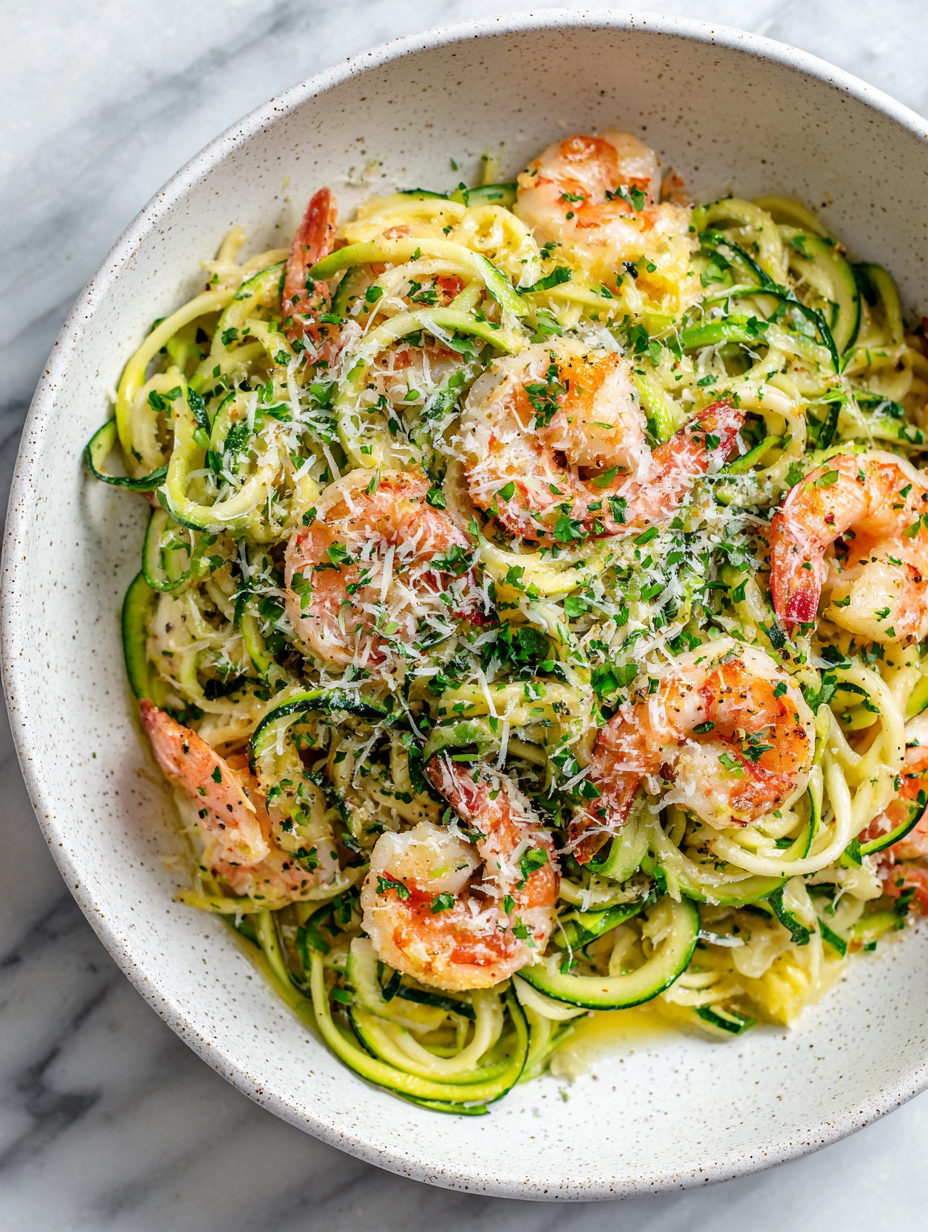
Shrimp Zucchini Pasta
Ingredients
Equipment
Method
- Start by spiralizing two medium zucchinis into noodles, aiming for uniform, slightly firm strands. Set aside on a plate.
- Pat the shrimp dry with paper towels, then season lightly with salt and pepper.
- Heat a large skillet over medium-high heat and add a tablespoon of olive oil, swirling to coat the bottom.
- Add the shrimp to the hot skillet, spreading them out in a single layer. Cook for 2-3 minutes per side until they turn pink, opaque, and slightly caramelized. Remove the shrimp from the pan and set aside.
- In the same skillet, add the minced garlic and sauté for about 30 seconds until fragrant and golden, stirring constantly to prevent burning.
- Add the zucchini noodles to the skillet, tossing gently to coat in the garlic oil. Sauté for 2-3 minutes until the noodles are just tender but still vibrant green and slightly crisp.
- Return the cooked shrimp to the skillet. Squeeze in the juice of one lemon and add the lemon zest, stirring to combine everything evenly.
- Cook for another minute, allowing the flavors to meld and the zucchini to glisten. If the mixture looks dry, add a small splash of water or more olive oil.
- Remove from heat and sprinkle with freshly grated Parmesan cheese and red pepper flakes, if using. Taste and adjust seasoning with additional lemon juice, salt, or pepper as desired.
- Serve immediately on warm plates, garnished with extra herbs if you like. Enjoy this bright, tender, and satisfying low-carb pasta!
Pro tips for perfect shrimp zucchini pasta
- Use a hot pan to get a quick sear on shrimp, locking in juices.
- Spiralize zucchini just before cooking to prevent excess water release.
- Sauté garlic until fragrant and golden, not burnt—watch for a nutty aroma.
- Squeeze lemon zest and juice at the end to preserve bright, fresh citrus notes.
- Keep zucchini noodles moving in the pan to avoid mushiness and uneven cooking.
- Taste and adjust seasoning at every stage—balance lemon, salt, and spice for best flavor.
- Finish with a drizzle of good-quality olive oil for richness and shine.
Common mistakes and how to fix them
- FORGOT to pat shrimp dry → Results in soggy, steaming shrimp. Always dry thoroughly before cooking.
- DUMPED all ingredients into pan simultaneously → Causes uneven cooking. Sauté garlic first, then add zucchini.
- OVER-TORCHED zucchini → Turns mushy and dull. Sauté just until tender, about 2-3 minutes.
- MISSED the lemon zest → Lacks brightness. Add zest at the end for a fresh citrus punch.
Quick fixes and pantry swaps
- When shrimp releases excess water, splash a little lemon juice to tighten the flesh and enhance flavor.
- If zucchini turns mushy, patch the texture by adding a splash of cold water and sauté briefly again.
- Splash olive oil if the garlic burns quickly, to cool the pan and mellow the bitterness.
- When sauce looks dry, shield with a small splash of water or broth to rehydrate and loosen ingredients.
- Dumped in too much salt? Rescue with a squeeze of lemon or a pinch of sugar to balance flavors.
Prep, store, and reheat tips
- Prepare zucchini noodles ahead by spiralizing up to a day in advance; keep refrigerated in an airtight container to prevent moisture loss and keep them crisp.
- Cook and peel the shrimp up to 2 hours before serving; store in a sealed container in the fridge, and reheat gently to avoid rubberiness.
- Mix lemon juice and zest in advance, but add to the dish just before serving to preserve brightness and avoid bitterness from overexposure.
- Store leftover cooked pasta in an airtight container for up to 2 days; reheat in a skillet over medium heat until hot and fragrant, watching for overcooking.
- Reheating may cause zucchini to release more water, so toss with a splash of olive oil or lemon juice during reheating to refresh the flavors and maintain texture.
Top questions about shrimp zucchini pasta
1. How do I know when the shrimp are cooked?
Cook the shrimp until they turn pink and opaque, about 2-3 minutes per side, for perfect tenderness. They should feel firm but not rubbery.
2. How long should I cook the zucchini noodles?
Zucchini noodles should be bright green and slightly tender but still firm to the bite after sautéing for 2-3 minutes. Overcooking makes them mushy.
3. When should I add lemon for the best flavor?
Use fresh lemon juice and zest right before serving to keep the bright, tangy flavor. Add more if you want extra zing.
4. How do I prevent zucchini from getting mushy?
If your zucchini turns watery, toss it in a hot skillet for just a few minutes to evaporate excess moisture. Don’t overdo it to keep some crunch.
5. What’s a good dairy-free substitute for Parmesan?
For a dairy-free version, substitute Parmesan with nutritional yeast. It gives a cheesy umami flavor but with a nuttier, milder taste.
6. What pan temperature is best for cooking shrimp?
Use a large skillet over medium-high heat (around 180°C/356°F) to sear the shrimp quickly and evenly, avoiding steaming or burning.
7. How can I keep zucchini from getting soggy?
To keep zucchini crisp, don’t over-sauté. Remove them when they’re just tender and still vibrant green to maintain the texture.
8. How do I fix a too-salty dish?
If you over-salt, add a squeeze of lemon or a small pinch of sugar to balance the flavors without losing brightness.
9. How long can I keep zucchini noodles in the fridge?
Store zucchini noodles in an airtight container in the fridge for up to a day. Reheat gently in a skillet to preserve texture.
10. How do I reheat leftovers without losing flavor or texture?
When reheating, add a splash of water or lemon juice to freshen up the flavors and prevent dryness. Reheat until just hot and fragrant.
Making this shrimp zucchini pasta reminds me that simple ingredients can create something lively and satisfying. It’s a dish I turn to when I need a quick, light meal that still feels special. The bright lemon and smoky shrimp make each bite a little celebration of fresh flavors.
Honestly, it’s become my go-to for busy nights when I want something nourishing without the fuss. Sometimes, I toss in a handful of cherry tomatoes or a sprinkle of herbs just to keep it interesting. It’s a reminder that good, honest food can come together fast and still taste like a little victory.

Hi, I’m Lucas Foster, the cook, writer, and everyday food enthusiast behind Totally in the Zone. This space is where my love for cooking meets my belief that food should fit into real life. Not rushed. Not overcomplicated. Just thoughtful, satisfying, and made with intention.