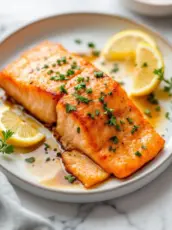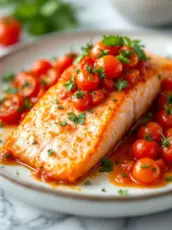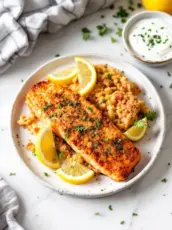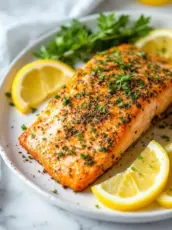
When you bite into a lobster tail topped with a crispy Parmesan crust, it’s like a little celebration of textures and flavors. The crunchy, cheesy coating creates a savory contrast to the tender, sweet lobster meat inside, making every forkful feel special. This isn’t just dinner; it’s a moment to savor and remember, perfect for when you want to elevate a seafood classic without fussing too much.
I love how the Parmesan crust adds a layer of richness and crunch that turns a simple lobster tail into something truly memorable. It’s one of those recipes that feels fancy but is surprisingly straightforward, especially if you keep the crust simple and focus on quality ingredients. Plus, the smell of melting cheese and toasted breadcrumbs wafting through the kitchen is a little reminder that comfort can be elegant.
This dish is a reminder that a few well-chosen ingredients can transform a humble seafood piece into a show-stopper. It’s my go-to when I want to impress without spending hours in the kitchen or resorting to complicated techniques. Sometimes, the simplest tweaks—like a Parmesan crust—bring the biggest joy to the table.
Focusing on how the Parmesan crust adds a crispy, savory contrast to the tender lobster, elevating a classic dish with a crunchy, cheesy topping.
The story behind this recipe
This recipe came together on a chilly evening when I was craving something luxe but still manageable. I remember the first time I dared to add Parmesan crust to seafood—it was a bit of an experiment, honestly. That first crispy, cheesy bite of lobster changed my mind about what a simple dish could become. It’s funny how a little extra cheese and a hot oven can turn a humble lobster tail into a memorable centerpiece. Now, it’s my go-to for celebrating small wins or just making a weeknight feel special.
Ingredient breakdown: key components
- Parmesan cheese: I like using aged Parmesan for that nutty, umami punch. It melts into a crispy crust, so don’t skimp on quality—your nose will thank you.
- Breadcrumbs: I prefer panko for extra crunch, but if you only have regular, toast them a bit first. Feel that satisfying crackle when you press the crust onto the lobster.
- Lobster tails: Fresh, wild-caught lobster has a cleaner, sweeter flavor, but frozen works well if it’s high quality. Keep an eye on the meat—don’t overcook, or it turns rubbery.
- Butter: I use melted unsalted butter as a binder—adds richness and helps the crust cling. For a richer kick, mix in a pinch of garlic powder or lemon zest.
- Herbs & seasonings: A little chopped parsley or thyme adds freshness. I sometimes sprinkle a dash of smoked paprika for a subtle smoky note that complements the cheese.
Spotlight on key ingredients
Parmesan cheese:
- I love using aged Parmesan for that nutty, umami punch. It melts into a crispy crust, so don’t skimp on quality—your nose will thank you.
- Breadcrumbs: I prefer panko for extra crunch, but if you only have regular, toast them a bit first. Feel that satisfying crackle when you press the crust onto the lobster.
Lobster tails:
- Fresh, wild-caught lobster has a cleaner, sweeter flavor, but frozen works well if it’s high quality. Keep an eye on the meat—don’t overcook, or it turns rubbery.
- Butter: I use melted unsalted butter as a binder—adds richness and helps the crust cling. For a richer kick, mix in a pinch of garlic powder or lemon zest.
Notes for ingredient swaps
- Dairy-Free: Swap Parmesan for nutritional yeast or a dairy-free cheese alternative. It won’t melt quite the same, but it still adds a savory umami kick.
- Breadcrumbs: Use crushed Ritz crackers or gluten-free panko if you need a gluten-free option. The texture remains crunchy, just with a different flavor profile.
- Lobster tails: For a more sustainable choice, try langoustines or large scallops. They cook similarly and still deliver that tender seafood bite.
- Butter: Olive oil or avocado oil can replace butter for a lighter, less rich crust. Expect a slightly different aroma, less cheesy, more herbal.
- Herbs & seasonings: Fresh thyme or basil can replace parsley. Adjust in small amounts—these fresh herbs offer a bright, aromatic contrast.
- Cheese: Pecorino Romano can substitute Parmesan for a sharper, saltier flavor. It melts well but brings a more pronounced tang.
- Lemon: Lime juice or vinegar can be used for acidity. Brightens the crust with a slightly different citrus note or tang.
Equipment & Tools
- Kitchen shears: To cut along the lobster shell cleanly
- Baking sheet with rim: To hold lobster tails for baking
- Pastry brush: To apply melted butter evenly
- Mixing bowl: To combine Parmesan, breadcrumbs, herbs
- Grater: To shred Parmesan cheese freshly
- Oven: To bake and crisp the crust
- Thermometer: To check lobster’s internal temperature
Step-by-step guide to Parmesan crusted lobster
- Preheat your oven to 220°C (430°F). Set a baking sheet inside to warm up. This ensures a quick crust formation once in the oven.
- Prepare the lobster tails: Using kitchen shears, cut along the top shell from the base to the tip, avoiding the meat. Gently pry open and loosen the meat from the shell, lifting it slightly but leaving it attached at the tail base.
- Pat the lobster meat dry with paper towels. Brush generously with melted butter seasoned with a pinch of salt and lemon zest for flavor.
- Make the Parmesan crust: In a bowl, combine grated Parmesan, panko breadcrumbs, chopped parsley, and a squeeze of lemon juice. Mix until evenly coated and fragrant.
- Press the crust mixture onto the exposed lobster meat, pressing gently to adhere. Ensure an even layer for consistent crunch.
- Carefully transfer the lobster tails onto the hot baking sheet, crust side up. Bake for 10-12 minutes, or until the crust is golden and cheese is bubbly.
- During baking, keep an eye on the crust: if it’s browning too quickly, tent with foil. If it’s not crisping, broil for an extra 1-2 minutes, watching carefully to prevent burning.
- Check the lobster for doneness: the meat should be opaque and firm. The crust should be golden and crispy. Use a probe thermometer to ensure the lobster hits 60°C (140°F) in the thickest part.
- Remove from oven and let rest for 2 minutes. Garnish with extra parsley and a squeeze of lemon for brightness.
- Serve immediately, letting the crispy Parmesan crust contrast with the tender lobster meat.
Let the lobster rest for 2 minutes after baking. Plate carefully, spooning any juices or melted butter from the shell. Garnish with fresh herbs and a lemon wedge for that final bright touch.
How to Know It’s Done
- Crust is golden and crispy, not burnt
- Lobster meat is opaque and firm, not translucent or rubbery
- Internal temperature reaches 60°C (140°F)

Parmesan Crusted Lobster Tails
Ingredients
Equipment
Method
- Preheat your oven to 220°C (430°F). Place a baking sheet inside to warm up, ensuring a hot surface for crisping.
- Using kitchen shears, carefully cut along the top shell of each lobster tail from base to tip, avoiding the meat. Gently pry open the shell to expose the lobster meat, then loosen the meat from the shell, lifting it slightly while keeping the base attached.
- Pat the lobster meat dry with paper towels to remove excess moisture, then brush it generously with melted butter mixed with lemon juice, salt, and pepper for flavor.
- In a mixing bowl, combine grated Parmesan cheese, toasted panko breadcrumbs, and chopped parsley. Mix well until evenly blended, releasing a fragrant aroma of cheese and herbs.
- Press the Parmesan breadcrumb mixture onto the exposed lobster meat, ensuring an even coat. Gently press to help it adhere securely.
- Transfer the prepared lobster tails onto the hot baking sheet, crust side up. Bake in the oven for 10 to 12 minutes, until the crust is golden brown and bubbly, and the lobster meat is opaque and firm.
- If the crust begins to brown too quickly, tent the lobster with foil. For extra crispiness, you can briefly broil for 1-2 minutes, watching carefully to prevent burning.
- Check the internal temperature of the lobster with a thermometer; it should reach 60°C (140°F). The lobster meat should be opaque and tender to the touch.
- Remove the lobster from the oven and let it rest for 2 minutes. Garnish with additional chopped parsley and a squeeze of lemon for a fresh, bright finish.
- Serve immediately, enjoying the crispy Parmesan crust with the juicy, tender lobster meat inside for a truly special seafood dish.
Tips & Tricks for Perfect Crust
- Bolded mini-head: Use fresh Parmesan for maximum flavor and meltability. Pre-grate to avoid clumps and ensure even coverage.
- Bolded mini-head: Toast panko breadcrumbs lightly before mixing. This enhances crunch and adds a nutty aroma that complements the lobster.
- Bolded mini-head: Pat lobster meat dry thoroughly—moisture prevents crust from crisping properly and can cause steaming instead.
- Bolded mini-head: Broil the crust briefly at the end if it’s not golden enough—watch constantly to prevent burning and achieve that perfect crispy top.
- Bolded mini-head: Apply crust mixture gently but firmly—press into the lobster meat to ensure it adheres during baking, avoiding loose toppings.
- Bolded mini-head: Use a probe thermometer to check for exact doneness—aim for 60°C (140°F) in the thickest part for tender, not rubbery lobster.
- Bolded mini-head: Rest the lobster for 2 minutes after baking—this helps juices redistribute, keeping the meat moist and flavorful.
Common mistakes and how to fix them
- FORGOT to monitor crust color → Rely on visual cues, aim for deep golden brown.
- DUMPED lobster into hot oven → Preheat thoroughly, oven needs to be at correct temp before baking.
- OVER-TORCHED the Parmesan crust → Broil briefly at end if crust browns too fast, watch carefully.
- UNDER-seasoned the lobster → Brush with seasoned butter for flavor, not just salt.
Quick fixes and pantry swaps
- When crust is too pale → Splash with a quick broil for 1-2 minutes, watch carefully, smell toasted cheese.
- If lobster meat is rubbery → Rest for 5 minutes after baking, it helps juices redistribute and keeps it tender.
- Dumped lobster into cold oven → Preheat oven fully to 220°C (430°F) before baking for even cooking.
- Over-torched the Parmesan crust → Shield with foil early in baking or broil briefly at the end to prevent burning.
- When the crust is soggy → Rescue by broiling for 1-2 minutes, crisping up the topping and restoring crunch.
Prep, store, and reheat tips
- Prepare the Parmesan crust mixture and store in an airtight container up to 2 days ahead; it becomes even more flavorful as the flavors meld.
- Shell and clean lobster tails the day before; keep them refrigerated in a sealed container for up to 24 hours. The meat stays tender and fresh.
- Assemble the crust on the lobster tails just before baking to keep it crispy. Reheat leftovers in a 180°C (350°F) oven until warmed through, about 10 minutes, with a crispy top that crackles under your fork.
- Refrigerate leftovers for up to 2 days; the crust may soften slightly, but a quick broil will revive crunch. Sensory note: smell should be cheesy and toasted, with no sourness.
Top questions about Parmesan Crusted Lobster
1. How can I tell if lobster tails are fresh?
Look for lobster tails that feel heavy and smell fresh with a clean, oceanic scent. Avoid tails with a strong fishy odor or slimy texture.
2. Should I buy pre-grated Parmesan?
Use freshly grated Parmesan cheese for the best melt and flavor. Pre-grating helps it incorporate smoothly into the crust.
3. What’s the ideal oven temperature and cooking time?
Bake at 220°C (430°F) for about 10-12 minutes. The crust should be golden, and the lobster meat opaque and tender.
4. How do I know when the lobster is done?
Ensure the lobster meat is cooked just right—opaque, firm, and juicy. Overcooking makes it rubbery, undercooking leaves it translucent.
5. Can I substitute regular breadcrumbs?
Use panko breadcrumbs for extra crunch, and toast them lightly before mixing. It boosts flavor and texture in the crust.
6. How do I keep the crust from falling off?
Applying the crust gently and pressing it onto the lobster ensures it sticks during baking, resulting in a crispy topping.
7. How do I get a crispy Parmesan crust?
Broil the lobster for 1-2 minutes at the end if the crust isn’t crispy enough. Keep a close eye to prevent burning.
8. Should I let the lobster rest before serving?
Rest the lobster for 2 minutes after baking to let juices redistribute, keeping the meat moist and flavorful.
9. Can I make parts of this recipe ahead?
You can prepare the crust mixture a day ahead and store it in the fridge. Assemble the lobster just before baking.
10. What if the crust burns or gets soggy?
If the crust browns too quickly, shield with foil or reduce oven temperature slightly. If it’s soggy, broil briefly to crisp up.
This Parmesan crust adds a satisfying crunch and rich, cheesy flavor that really elevates the lobster. It’s perfect for when you want to serve something that feels fancy but is still straightforward to put together.
In the end, it’s the crispy topping paired with tender lobster that makes this dish stand out. It’s a little indulgence that’s worth every bite, especially when shared with good company or a quiet moment of your own.

Hi, I’m Lucas Foster, the cook, writer, and everyday food enthusiast behind Totally in the Zone. This space is where my love for cooking meets my belief that food should fit into real life. Not rushed. Not overcomplicated. Just thoughtful, satisfying, and made with intention.