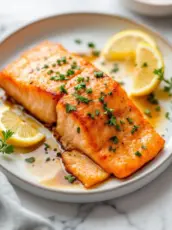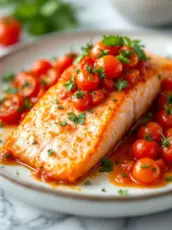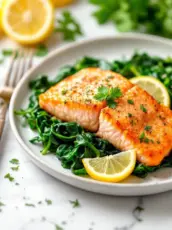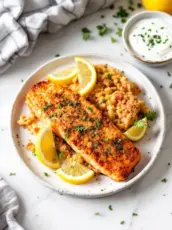
I stumbled upon this garlic herb lobster tail method quite by accident, and it’s now my go-to for lazy luxe dinners. Instead of the usual broiling or boiling, I seal the lobster in a pouch with butter and herbs, then let it gently cook in its own juices. The result? Juicy, tender lobster infused with fragrant garlic and fresh herbs, all without the splatters and fuss.
There’s something about the sealed pouch that transforms the whole experience. The aroma that escapes during cooking is pure garlic-herb heaven, and the texture is consistently perfect—never rubbery or overdone. It’s a foolproof way to make lobster feel special but still approachable, especially when you want that wow factor without standing over a hot stove for ages.
Focusing on the overlooked technique of infusing lobster tails with a garlic herb butter in a sealed pouch, this approach locks in juices and amplifies flavor without the mess of traditional pan-frying or broiling. It’s a method I stumbled upon accidentally but now swear by when I want something reliably tender and fragrant, especially for a special dinner turned casual.
Inspiration Behind the Method
- I was once invited to a seaside retreat where fresh lobster was the star of the table. Watching the chef work, I noticed how he gently folded herbs and butter into a pouch, then let the ocean breeze do the rest. It struck me that cooking this way could preserve all that sweet lobster flavor without the mess of traditional methods.
- That day stuck with me, and I started experimenting in my own kitchen, trying to replicate that effortless elegance. Turns out, sealing the lobster with garlic and herbs in a pouch not only locks in moisture but also concentrates the aroma into every tender bite. It’s become my favorite way to elevate a simple lobster tail—no fuss, just pure flavor.
- heading
- story_type
Key Ingredients and Tips
- Lobster tails: I love the sweet, briny aroma that fills the air as they cook—make sure to choose firm, bright shells. You can swap with shrimp for a quicker, more casual version, but the lobster’s texture is worth the splurge.
- Garlic: Fresh garlic gives that punch of pungency and warmth. I gently crush and chop it so it releases its oils—skip pre-minced jars if you want that bright, aromatic burst. For a milder flavor, reduce the garlic by half.
- Herbs: Parsley and thyme are my go-tos—they add freshness and a hint of earthiness. Fresh herbs are best, but dried can work in a pinch—just use half the amount and crush them to release flavor.
- Butter: I opt for unsalted, preferably European-style for richness. The butter becomes silky and fragrant, creating that luscious coating. If you need a dairy-free version, try coconut oil for a subtler sweetness, but it won’t have the same depth.
- Lemon: Bright, zesty, and slightly tart. I zest and squeeze fresh lemon before sealing, so the flavor is intense. Lime can be a fun twist if you want a more tropical vibe, but lemon keeps it classic.
- Salt & Pepper: Just enough to enhance without overpowering. I prefer flaky sea salt for that crunchy burst, and freshly cracked pepper for a hint of spice. For a smoky touch, a dash of smoked paprika works nicely.
- Olive Oil (optional): A drizzle can help with sealing and add a fruity note. I often skip it when I want a cleaner, garlic-herb punch—your call based on how rich you want it to feel.
Spotlight on key ingredients
Lobster tails:
- Their sweet, briny aroma intensifies as they cook, shells turn a vibrant red, and the meat remains juicy if not overcooked. Choose firm, bright shells for the best texture and flavor.
- Lobster meat: It’s surprisingly delicate—firm yet tender, with a subtle resistance when bitten. During cooking, it stays moist and juicy, soaking up all the garlic-herb goodness in the pouch.
Garlic:
- Fresh garlic is key—its pungent aroma and warm, slightly spicy heat fill the kitchen as it cooks. When crushed and chopped, it releases oils that give the butter a vibrant, aromatic punch.
- Garlic’s behavior: It softens quickly and turns fragrant, becoming almost silky as it releases its flavor into the butter. Skip pre-minced garlic if you want a brighter, more pungent aroma.
Notes for ingredient swaps
- Lobster tails: I love the sweet, briny aroma that fills the air as they cook—make sure to choose firm, bright shells. You can swap with shrimp for a quicker, more casual version, but the lobster’s texture is worth the splurge.
- Garlic: Fresh garlic gives that punch of pungency and warmth. I gently crush and chop it so it releases its oils—skip pre-minced jars if you want that bright, aromatic burst. For a milder flavor, reduce the garlic by half.
- Herbs: Parsley and thyme are my go-tos—they add freshness and a hint of earthiness. Fresh herbs are best, but dried can work in a pinch—just use half the amount and crush them to release flavor.
- Butter: I opt for unsalted, preferably European-style for richness. The butter becomes silky and fragrant, creating that luscious coating. If you need a dairy-free version, try coconut oil for a subtler sweetness, but it won’t have the same depth.
- Lemon: Bright, zesty, and slightly tart. I zest and squeeze fresh lemon before sealing, so the flavor is intense. Lime can be a fun twist if you want a more tropical vibe, but lemon keeps it classic.
- Salt & Pepper: Just enough to enhance without overpowering. I prefer flaky sea salt for that crunchy burst, and freshly cracked pepper for a hint of spice. For a smoky touch, a dash of smoked paprika works nicely.
- Olive Oil (optional): A drizzle can help with sealing and add a fruity note. I often skip it when I want a cleaner, garlic-herb punch—your call based on how rich you want it to feel.
Equipment & Tools
- Paring knife: For scoring and loosening the lobster shell without damaging the meat.
- Silicone pouch or parchment paper: To seal the lobster for even, flavorful baking.
- Baking dish: To hold the seafood steady during oven baking.
- Basting brush: To apply the herb butter evenly onto the lobster meat.
Step-by-step guide to Garlic Herb Lobster
- Equipment & Tools: Gather a sharp paring knife, a silicone pouch or parchment paper to seal, a baking dish, and a basting brush. The knife for scoring, the pouch for sealing, and the dish for baking are essential.
- Preheat your oven to 190°C (375°F). Ensure the oven rack is in the middle for even heat distribution.
- Prepare the lobster tail: Using the paring knife, carefully cut through the top shell lengthwise, from base to tip, avoiding the meat. Gently lift and loosen the meat from the shell, keeping it attached at the tail end.
- Make the herb butter: Mix melted butter, minced garlic, chopped parsley, thyme, lemon zest, salt, and pepper in a small bowl. Use a basting brush to coat the lobster meat generously with the herb butter mixture.
- Seal in flavor: Place the lobster tail on a piece of parchment or in a silicone pouch. Fold and seal securely, ensuring no air pockets. If using parchment, fold over tightly and crimp edges to create a pouch.
- Bake: Set the sealed lobster on a baking dish. Bake for 15–18 minutes. The lobster is done when the meat becomes opaque and firm, and the shell turns bright red.
- Check for doneness: The lobster meat should jiggle slightly when gently shaken, and the edges should appear opaque. The aroma should be fragrant with garlic and herbs.
- Rest briefly: Remove from oven and let rest for 2 minutes. Carefully open the pouch, and transfer lobster to a serving plate. Drizzle with any remaining herb butter.
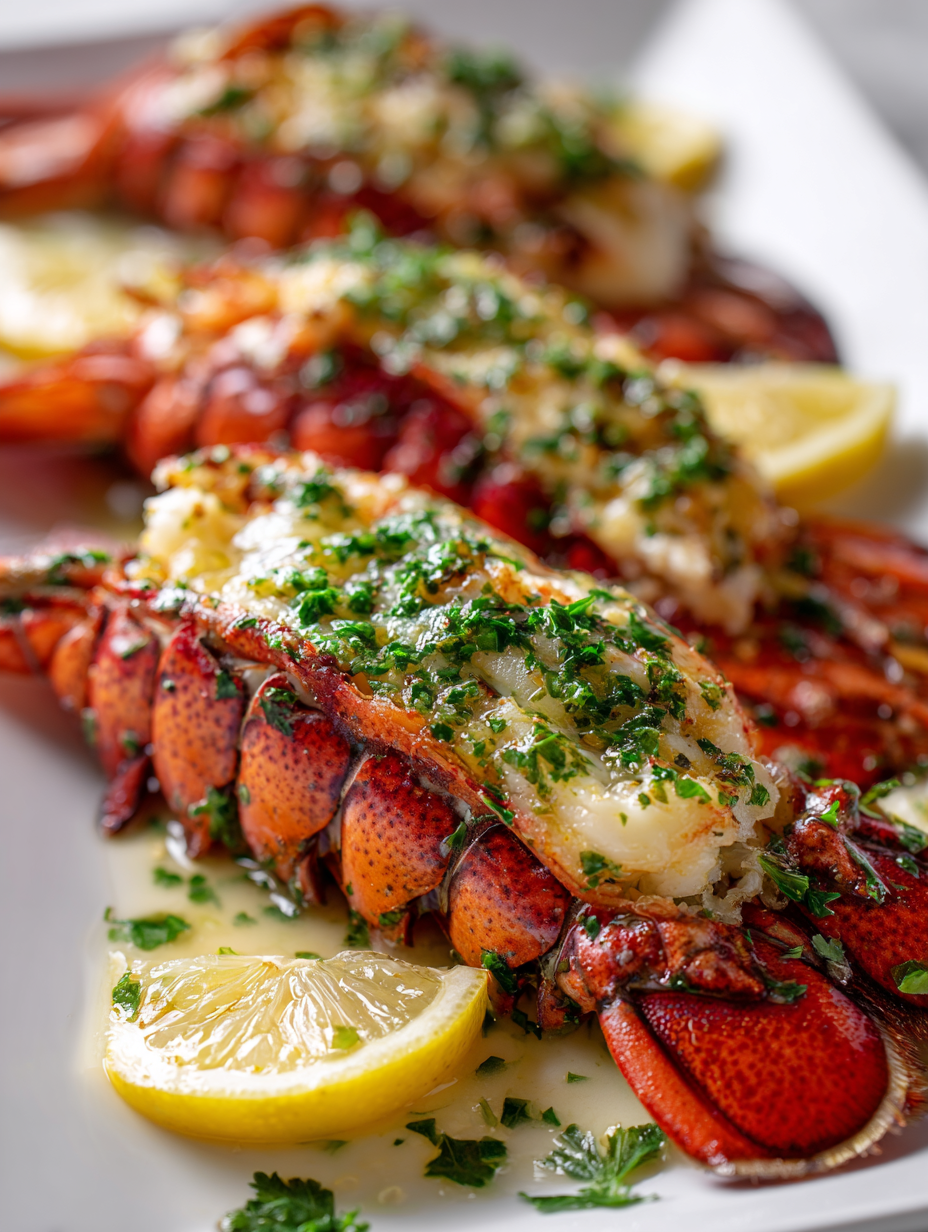
- Serve immediately with lemon wedges and a sprinkle of fresh herbs. The lobster should be tender, juicy, and fragrant, with a slight crisp on the edges if slightly browned during baking.
Let the lobster rest for 2 minutes out of the oven before opening. Transfer carefully to a plate, drizzle with any remaining butter, and serve hot with lemon wedges for bright contrast.
How to Know It’s Done
- Lobster meat is opaque and firm, with a slight jiggle in the shell.
- Herb butter has infused the meat, aroma is fragrant and garlic-herb forward.
- Shell turns bright red with a slight caramelization at the edges.
Garlic Herb Lobster Tail in a Sealed Pouch
Ingredients
Equipment
Method
- Start by preheating your oven to 190°C (375°F) and gather all your tools and ingredients. Using a paring knife, carefully cut along the top shell of each lobster tail lengthwise, from base to tip, avoiding the meat. Gently lift the meat slightly out of the shell, keeping it attached at the tail end, to create a pocket for the herb butter.
- In a small bowl, whisk together melted butter, minced garlic, chopped parsley, thyme, lemon zest, lemon juice, salt, and pepper until well combined. This fragrant mixture will serve as your garlic herb butter.
- Using a basting brush, generously coat the lobster meat with the garlic herb butter, ensuring to fill the scored crevices and cover all exposed surfaces. This will infuse the lobster with flavor during baking.
- Place each lobster tail on a piece of parchment paper or inside a silicone pouch. Fold or seal the pouch tightly, removing excess air to trap all the aromatic juices and herbs inside. If using parchment, crimp the edges to create a secure seal.
- Set the sealed lobster on a baking dish and slide it into the preheated oven. Bake for about 15–18 minutes, until the shell turns bright red and the meat is opaque and firm. The aroma of garlic and herbs will fill the air as it cooks.
- Once baked, carefully remove the pouch from the oven and let it rest for about 2 minutes. Carefully open the pouch, watching out for hot steam, and transfer the lobster to a serving plate. Drizzle with any remaining herb butter for extra flavor.
- Garnish with additional chopped parsley and lemon wedges. The lobster should be tender, juicy, with a vibrant red shell and fragrant garlic-herb aroma. Serve immediately and enjoy the luxurious flavors.
Notes
Pro Tips for Perfect Lobster
- Use a silicone pouch or parchment to seal, ensuring no air pockets for even cooking.
- Gently score the lobster shell with a paring knife to help herbs and butter penetrate.
- Apply herb butter generously, especially in the scored crevices, for maximum flavor infusion.
- Bake at 190°C (375°F) until the shell is bright red and the meat is opaque—avoid overcooking.
- Rest the lobster for 2 minutes after baking to let juices redistribute, keeping it juicy.
- When opening the pouch, do so carefully to avoid steam burns and preserve aromatic herbs.
- For a crisp edge, broil the lobster for the last 1-2 minutes, watching carefully so it doesn’t burn.
Common mistakes and how to fix them
- FORGOT to seal pouch tightly → Check for air pockets, press out excess air.
- DUMPED too much salt → Use sparingly; lobster already has natural brininess.
- OVER-TORCHED lobster → Remove from oven once shell is bright red and meat is opaque.
- MISSED resting time → Let lobster rest 2 minutes for juices to settle and flavors to intensify.
Quick fixes for lobster perfection
- When lobster releases a lot of steam, splash a little white wine into the pouch to mellow the aroma.
- If the pouch feels too tight, patch it with a small piece of foil to prevent leaks.
- Splash a quick squeeze of lemon if the garlic aroma isn’t bright enough after baking.
- When shells turn dull instead of bright red, shield the lobster with foil and extend baking time slightly.
- Dumped too much salt? Rinse the lobster briefly, then pat dry and season lightly before sealing again.
Prep, store, and reheat tips
- Prepare the garlic herb butter up to a day in advance; keep refrigerated for a fresh, pungent aroma when cooking.
- Loosen the lobster shell and score the meat ahead of time; store covered in the fridge and cook within 24 hours for best texture.
- Sealed lobster pouches can be assembled and kept in the fridge for up to 12 hours; the herbs and butter will intensify slightly overnight.
- Reheat cooked lobster gently in a warm (not hot) oven or a covered skillet, until just warmed through—avoid overcooking and losing juiciness.
- Expect the flavors to deepen slightly after resting; reheat until fragrant and the meat feels warm and tender, not rubbery.
Top questions about Garlic Herb Lobster
1. Can I use frozen lobster tails?
Use fresh lobster tails for the best flavor and juiciness. Frozen can work if properly thawed, but fresh is ideal for that delicate, briny aroma.
2. Can I replace lobster with shrimp?
Yes, you can substitute with large shrimp or langoustines, but lobster has a firmer, sweeter meat that holds up well in this method.
3. How do I know when lobster is cooked properly?
Overcooking makes the meat rubbery and dry, so keep an eye on the color—opaque and bright red shells are key indicators.
4. Why is sealing in a pouch important?
Sealing the lobster in a pouch traps moisture and intensifies garlic-herb flavors. If the pouch isn’t tight, flavors can escape, and it may dry out.
5. Should I score the lobster shell before cooking?
Use a sharp paring knife to score the shell and loosen the meat—this helps herbs and butter penetrate better for maximum flavor.
6. How long should I bake the lobster?
Bake at 190°C (375°F) for about 15–18 minutes. The lobster is done when the meat is opaque and shell is bright red, not dull.
7. How much herb butter should I use?
Apply the herb butter generously in the scored crevices and on top of the meat—this ensures maximum flavor infusion.
8. Should I rest the lobster after cooking?
Let the lobster rest for about 2 minutes after baking. This helps juices redistribute and keeps the meat tender and moist.
9. What if the shell isn’t bright red?
If the lobster shells don’t turn bright red, shield the shell with foil and extend baking time slightly. Dull shells mean it’s underdone.
10. Can I prepare the herb butter ahead of time?
Store the prepared herb butter in the fridge up to 24 hours before using. Reheat gently to preserve its fragrant, garlicky aroma.
This garlic herb lobster tail recipe is a simple way to make seafood feel special without much fuss. The sealed pouch locks in all the fragrant juices, making every bite tender and bursting with flavor. It’s a method I keep coming back to, especially when I want a fuss-free meal that still feels indulgent.
Plus, it’s versatile enough to adapt with different herbs or a squeeze of citrus. Whether it’s a quiet weeknight or a small celebration, I find myself craving that fragrant, juicy lobster, especially when the kitchen fills with the aroma of garlic and fresh herbs. It’s one of those dishes that feels fancy but is surprisingly easy to pull off.

Hi, I’m Lucas Foster, the cook, writer, and everyday food enthusiast behind Totally in the Zone. This space is where my love for cooking meets my belief that food should fit into real life. Not rushed. Not overcomplicated. Just thoughtful, satisfying, and made with intention.