Setting up for smoked brisket isn’t pretty—there’s a lot of trimming, rubbing, and that sticky mess of spices and juices. It’s a slow process, and that bark starts to form early, crackling and firming up as it cooks low and slow.
Once the smoker’s running, you’re in for a long haul. Watching that thick cut of meat turn from pink to deep mahogany, with a smoky aroma filling the air—there’s no rushing that transformation.
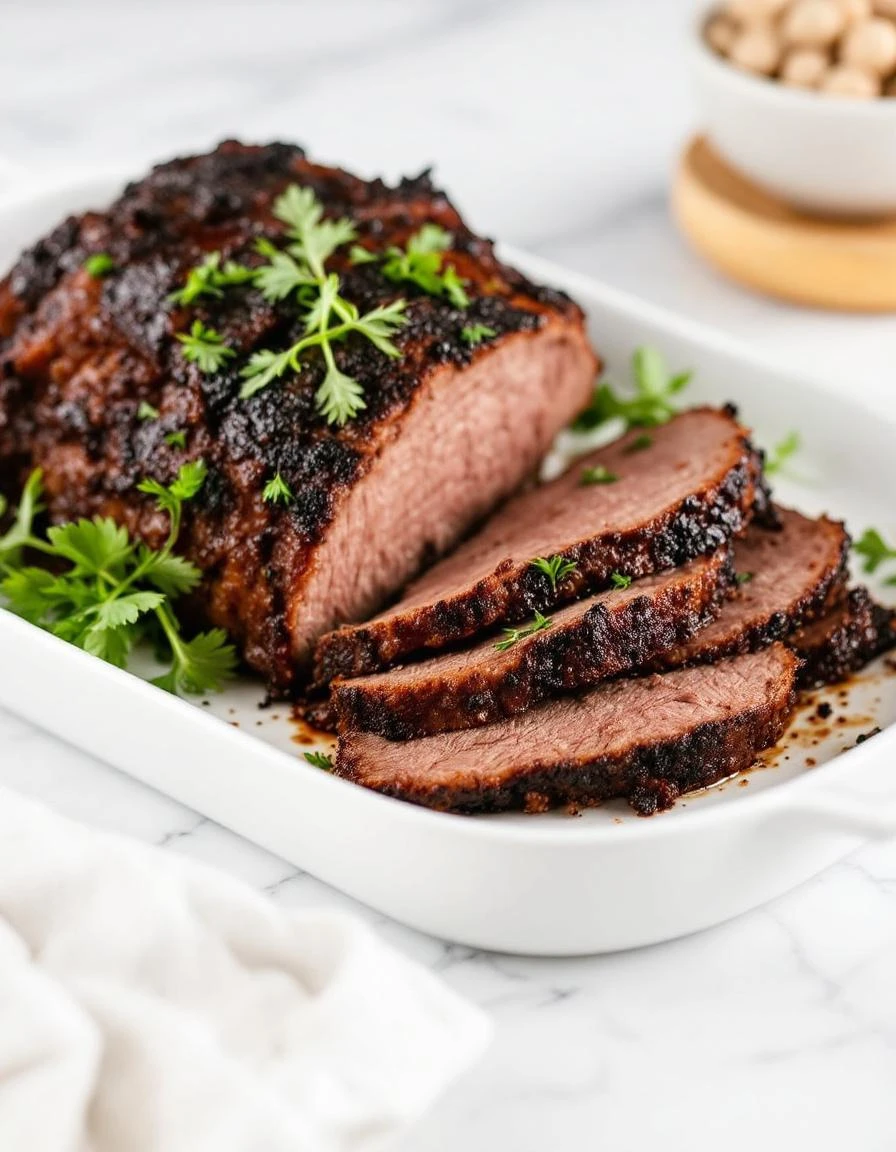
The crackle of the bark as you slice into the brisket, revealing that deep, smoky crust layered with fat and meat—it’s like listening to a well-aged tree split under pressure.
Key Ingredients and Tips
- Brisket: I look for a thick, marbled cut with a good fat cap—gives a juicy, tender bite. If you can’t find a perfect one, a well-marbled roast works, just expect slightly less melt-in-your-mouth texture.
- Salt and pepper: A simple rub of coarse salt and cracked black pepper helps build a flavorful bark. Skip fancy mixes; keep it straightforward and honest, like a good conversation.
- Smoker wood: Hickory or oak smoke gives that rich, classic BBQ aroma. No smoker? Use a grill with chips or a charcoal setup for that slow, smoky infusion.
- Apple cider vinegar: I spritz with it during the cook for a bright, tangy lift that cuts through the richness. Swap with apple juice if you want a sweeter note, but skip if you prefer pure smoke.
- Beef broth: I keep a pan nearby to add moisture and flavor during long hours. Water works, but broth adds a savory depth—think of it as the secret sauce for moisture.
- Aluminum foil: I wrap the brisket in foil halfway through to keep it moist and help it tenderize. If you skip it, expect a firmer crust and more bark, which can be just as good depending on your style.
- Cooking thermometer: I never rely on time alone; probe the thickest part. When it hits about 200°F, I know it’s ready—even if it looks a little unruly.
Smoked Beef Brisket
Ingredients
Equipment
Method
- Trim excess fat from the brisket, leaving a good layer for moisture and flavor.
- Mix coarse salt and cracked black pepper, then generously rub the seasoning all over the brisket, ensuring an even coat.
- Preheat your smoker or grill to a steady temperature of around 225°F, adding your wood chips to generate a smoky environment.
- Place the seasoned brisket on the smoker grates, fat side up, and close the lid to begin slow cooking.
- Spritz the brisket every hour with apple cider vinegar using a basting brush; this helps develop the bark and keeps the meat moist.
- Maintain a consistent temperature in the smoker and add more wood chips as needed to keep a steady smoky aroma.
- After about 6 hours, begin checking the internal temperature with a meat thermometer; when it reaches around 165°F, consider wrapping the brisket in aluminum foil to retain moisture.
- Continue smoking until the internal temperature hits approximately 200°F, and the meat feels tender when tested with a probe.
- Remove the brisket from the smoker, keep it wrapped, and let it rest for at least 20 minutes to allow the juices to redistribute.
- Unwrap the brisket, then slice against the grain to reveal a deep, smoky crust with juicy, tender meat inside.
- Serve your brisket slices with your favorite sides, enjoying the crackling bark and rich smoky aroma.
Common Mistakes and How to Fix Them
- FORGOT to monitor temperature? Use a reliable probe and check often.
- DUMPED the drippings? Keep them for sauce or gravy, don’t toss that flavor.
- OVER-TORCHED the crust? Lower your heat or move the brisket to a cooler zone.
- MISSED the rest period? Let it sit at least 20 minutes before slicing for juiciness.
Make-Ahead and Storage Tips
- You can prep the brisket the day before—trim, season, and let it sit in the fridge overnight to deepen the flavors.
- Wrapped and refrigerated, cooked brisket stays good for up to 3 days; for longer storage, freeze it for 1-2 months.
- Freezing can slightly dull the smoky aroma but helps with make-ahead planning for big gatherings or busy weekends.
- Reheat slowly in the oven at 250°F, covered, until warmed through—check texture and smell for signs of dryness or burnt edges.
- The flavors mellow and meld after resting overnight, so reheat gently to preserve that smoky, juicy richness.
FAQs
1. How do I know when my brisket is done?
A smoky, meaty aroma should fill your kitchen as it cooks, with a tender, juicy bite when you slice into it. The bark will crackle and the meat will feel firm yet yielding.
2. What’s the perfect internal temp?
Look for an internal temperature around 200°F. The meat should be tender enough to slide a probe in easily, with a deep smoky smell and a rich, beefy flavor.
3. How do I prevent burning the crust?
Use a reliable probe thermometer and check often. If the bark starts to char, move it to a cooler part of the smoker or lower the heat.
4. Should I wrap it during cooking?
Wrap the brisket in foil after a few hours to lock in moisture and soften the bark. Let it rest for at least 20 minutes before slicing to redistribute juices.
5. How do I reheat leftover brisket?
Reheat in a low oven (around 250°F), covered, until warm. Expect a gentle, smoky aroma and moist texture, with a slight pull in the fibers when shredded.

Hi, I’m Lucas Foster, the cook, writer, and everyday food enthusiast behind Totally in the Zone. This space is where my love for cooking meets my belief that food should fit into real life. Not rushed. Not overcomplicated. Just thoughtful, satisfying, and made with intention.