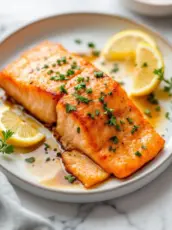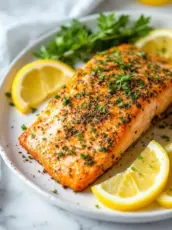
Working with salmon in the air fryer means dealing with a lot of moisture and sometimes, a sticky bottom. You’ll hear the skin crackle as it crisps, and you’ll see the oil and juices bubble up around the edges. It’s a straightforward process, but watching the fish turn from raw to perfectly cooked is oddly captivating.
You’ll need to prep the fillet with oil and seasoning, then settle it gently into the basket. As it cooks, the skin shrinks tight against the flesh, creating that satisfying crunch. No fuss, just honest, tangible steps from raw to ready to eat.
Listening to the crisp snap of the salmon skin as it hits the hot air, feeling the sizzle and the slight puff of steam, is oddly satisfying. The sound is a reminder of the simple pleasure of good, honest cooking in a small kitchen.
What goes into this dish
- Salmon fillet: I prefer skin-on, it crisps up better and adds flavor. If you only have skinless, just watch the cook time—less crispy, more tender. The smell of the fish, slightly briny, really sets the tone.
- Olive oil: A light coating helps the seasoning stick and crisps the skin. Skip if you want a leaner finish, but the oil adds a nice sizzle and golden color. Use a neutral oil if olive’s not your thing.
- Salt and pepper: Basic, but essential. Adjust to taste, especially if your salmon is from a briny source. The crack of salt and the aroma of pepper as it cooks make a simple dish pop.
- Paprika or smoked paprika: Adds a smoky, peppery note and a dash of color. If you don’t have it, a pinch of cayenne or chili powder works, but skip if you want minimal spice—just keep the flavor punch.
- Lemon slices or lemon juice: Brightens everything up. If fresh lemon isn’t handy, a splash of vinegar can add acidity, but nothing beats that sharp, citrus aroma right before eating.
- Garlic powder or minced garlic: For that savory, aromatic kick. Skip if you’re garlic-sensitive; just be aware it won’t have that fragrant, roasted aroma that pulls the dish together.
- Herbs (dill, parsley, or thyme): Fresh herbs are best, but dried works in a pinch. They add a fresh green note that cuts through the richness—smell that herbal lift as it cooks is a good sign.
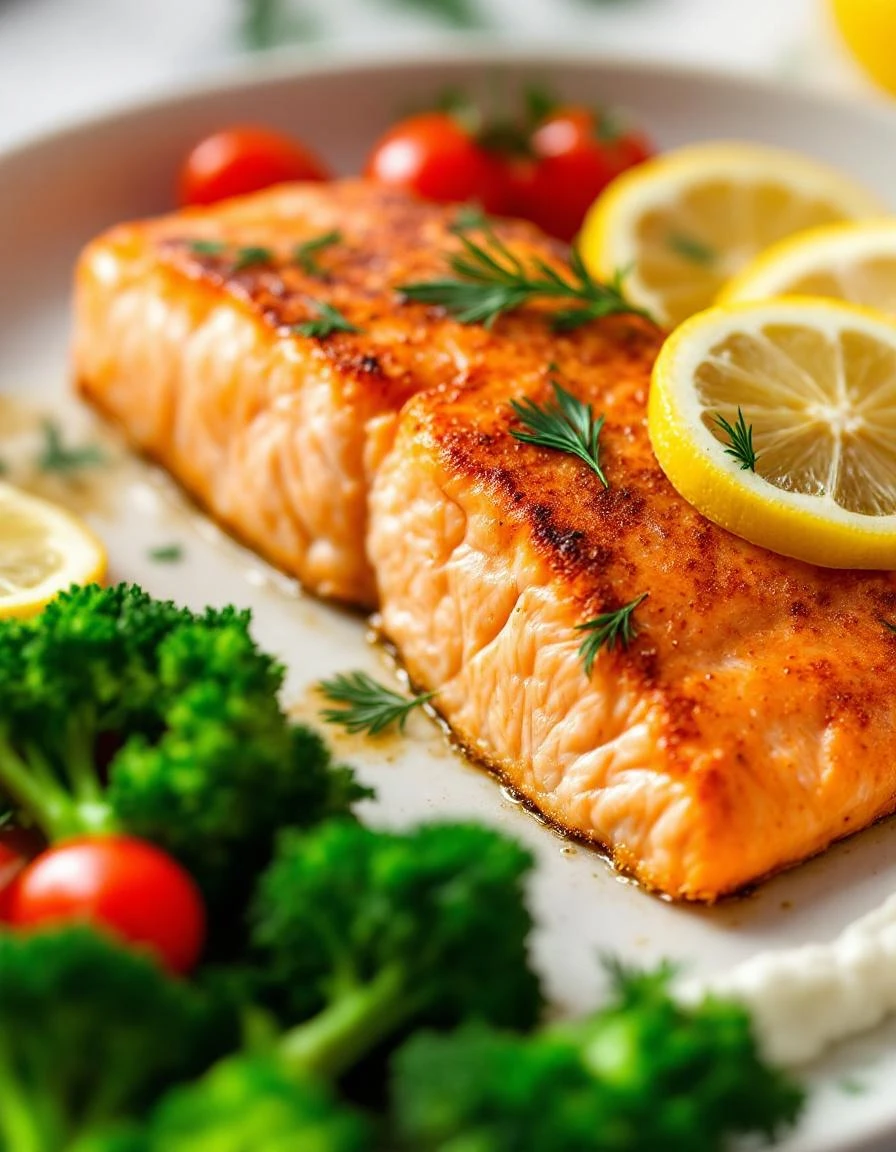
Crispy Air Fryer Salmon
Ingredients
Equipment
Method
- Start by patting the salmon fillets dry with paper towels; this helps achieve a crispier skin. Lightly brush each fillet with olive oil using a small brush, ensuring an even coating that will help the seasonings stick and skin crisp up.
- Sprinkle salt, black pepper, paprika, and garlic powder evenly over the fillets, pressing gently to help the spices adhere. Place chopped herbs on top for a fresh, fragrant touch.
- Preheat your air fryer to 400°F (200°C) and give it a few minutes to warm up. This ensures the fish cooks evenly and develops that perfect crispiness.
- Gently place the seasoned salmon fillets skin-side down into the air fryer basket, making sure they're not overcrowded. This allows hot air to circulate properly around each piece.
- Set the air fryer to cook at 400°F (200°C) for 10-12 minutes. During cooking, you'll hear the skin crackle as it crisps and see the juices bubble slightly around the edges.
- Halfway through cooking, carefully flip the fillets using tongs to ensure even crispiness on both sides. Be gentle to avoid breaking the delicate flesh.
- Continue cooking for the remaining 5-6 minutes until the skin is golden brown and crispy, and the flesh feels firm but still juicy when pressed gently.
- Remove the salmon carefully with tongs and transfer to a plate. Squeeze fresh lemon slices over the top for brightness and serve immediately for best crunch and flavor.
- Enjoy the crispy skin and tender flesh of your perfectly cooked air fryer salmon, complemented by the fresh herbs and citrus aroma.
Notes
Common Mistakes and How to Fix Them
- FORGOT to preheat the air fryer, leading to uneven cooking—always give it a few minutes to warm up.
- DUMPED too much oil on the salmon, which caused excess smoke and soggy skin—use just a light coating.
- OVER-TORCHED the fillet at high heat, making the edges bitter—keep an eye on the timer and temperature.
- MISSED flipping the fish halfway, resulting in uneven crispiness—turn it carefully after half the cooking time.
Make-Ahead and Storage Tips
- Prepping the salmon with oil and seasoning a day ahead speeds up cooking and lets flavors meld. Keep it covered in the fridge for up to 24 hours.
- The fillet can be stored in the freezer for up to 2 months if wrapped tightly. Thaw overnight in the fridge before cooking.
- Seasoned salmon flavors intensify over time, so don’t over-salt if prepping early. The seasoning can also slightly dull after a day, so adjust after reheating.
- Reheat in the air fryer at 350°F for 3–5 minutes, checking for flakiness and crispy skin. The fish should be warm, not dry, with a slight crackle on the skin.
FAQs
1. How do I know when the salmon is done?
The fish should feel firm but not hard, with a slight bounce when pressed. The skin will be crisp and golden, and it should flake easily when tested with a fork. The smell will be rich and slightly smoky.
2. What’s the ideal texture for the salmon?
Look for a deep pink color inside and a crisp, crackly skin outside. The flesh will flake apart easily. Releasing a savory, slightly oily aroma signals it’s ready to eat.
3. How much oil should I use?
Use a light coating of oil to avoid excess smoke and sogginess. If it’s too oily, the skin won’t crisp. Dry seasoning helps prevent sticking and sticking to the basket.
4. Can I prepare this in advance?
Prepping the salmon with seasoning and oil a day ahead enhances flavor. Keep it covered in the fridge, and reheat in the air fryer for a quick, crispy finish. The flavors deepen overnight.
5. What if I overcook it?
If the salmon overcooks, it becomes dry and crumbly, losing that juicy, tender bite. Reduce the heat slightly or shorten the cooking time next round. Watch for a firm but moist texture.

Hi, I’m Lucas Foster, the cook, writer, and everyday food enthusiast behind Totally in the Zone. This space is where my love for cooking meets my belief that food should fit into real life. Not rushed. Not overcomplicated. Just thoughtful, satisfying, and made with intention.