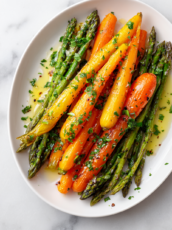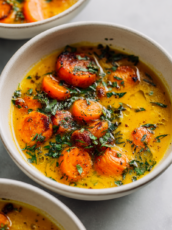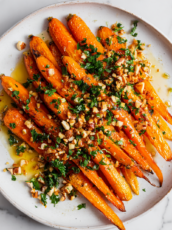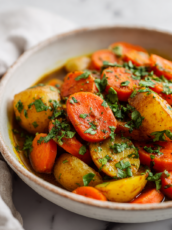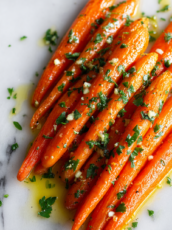
This carrot ginger soup is my go-to when I want something bright and invigorating, especially on days when the air feels a little dull. The fresh ginger adds a zing that wakes up your taste buds, making the humble carrot feel like a zesty, lively star. It’s simple, honest cooking, but with enough punch to make you smile with every spoonful.
I love how the ginger’s sharp, citrusy aroma fills the kitchen as it simmers. It’s a reminder that even the simplest ingredients can create something unexpectedly cheerful and warming. This soup isn’t just comfort food; it’s a little spark of freshness that clears the mind and brightens the day.
Focusing on how the brightness of fresh ginger elevates the humble carrot, turning this soup into a lively, almost zesty experience that surprises with every spoonful.
The story behind this recipe
This carrot ginger soup came about during a chilly autumn day when I had a bunch of carrots that needed using up and a stubborn craving for something bright and spicy. I remember peeling the carrots while the ginger’s sharp scent filled the kitchen, instantly lifting my mood. It struck me how simple ingredients could come together to create a dish that feels both comforting and surprisingly lively, almost like a little burst of sunshine in a bowl. That moment of experimenting, adjusting the ginger’s heat and balancing the sweetness of carrots, made me realize how much I love the way fresh ginger can transform a humble soup into something memorable.
Key Ingredients and Tips
- Carrots: I pick firm, bright orange carrots that feel dense and smooth. Their natural sweetness really shines through when cooked soft. Swap for parsnips if you want a more earthy note, but keep in mind they’re a little starchier.
- Ginger: Fresh ginger is my secret weapon—its zing brightens up the whole bowl. I love how its fiery aroma bubbles up as it simmers. If you want less punch, start with half and add more later; dried ginger won’t give the same lively kick.
- Vegetable broth: I prefer a homemade or low-sodium broth, which keeps the flavor clean. Store-bought works too, just watch for added salt. For a richer taste, a splash of coconut milk can add creaminess without heaviness.
- Onion: I use yellow onion for a subtle sweetness that balances the ginger’s heat. Sauté until translucent, watching it turn from dull to shiny—this develops flavor. Skip if you’re avoiding alliums, but the soup loses some depth.
- Olive oil: I drizzle a good-quality extra virgin olive oil for sautéing—its grassy, fruity aroma makes a difference. If you want a lighter version, use a neutral oil, but don’t skip the finishing drizzle for flavor punch.
- Lemon juice: Brightens the whole thing with a splash of fresh lemon juice right after blending. It’s the final spark that lifts all the earthy sweetness. Feel free to adjust to taste, but don’t skip it entirely.
- Salt and pepper: I season gradually, tasting as I go. A pinch of sea salt and freshly cracked pepper are enough to make all the flavors pop. If you’re sensitive to salt, add less at first and adjust at the end.
Spotlight on key ingredients
Carrots:
- I pick firm, bright orange carrots that feel dense and smooth. Their natural sweetness really shines through when cooked soft. Swap for parsnips if you want a more earthy note, but keep in mind they’re a little starchier.
- Ginger: Fresh ginger is my secret weapon—its zing brightens up the whole bowl. I love how its fiery aroma bubbles up as it simmers. If you want less punch, start with half and add more later; dried ginger won’t give the same lively kick.
Ginger:
- Fresh ginger is my secret weapon—its zing brightens up the whole bowl. I love how its fiery aroma bubbles up as it simmers. If you want less punch, start with half and add more later; dried ginger won’t give the same lively kick.
- Vegetable broth: I prefer a homemade or low-sodium broth, which keeps the flavor clean. Store-bought works too, just watch for added salt. For a richer taste, a splash of coconut milk can add creaminess without heaviness.
Notes for ingredient swaps
- Dairy-Free: Coconut milk adds creaminess without dairy, giving a slightly tropical sweetness. For a richer texture, almond or cashew milk works, but may mellow the spicy zing of ginger.
- Sweetener: Honey or maple syrup can replace sugar for a more nuanced sweetness. Use sparingly and taste as you go—sometimes, a tiny drizzle is enough to balance the earthy carrots.
- Salt: Sea salt is my go-to, but flaky salt on top just before serving makes a lovely crunch and flavor boost. If you’re avoiding salt, a dash of soy sauce can add umami depth.
- Ginger: Fresh ginger is unbeatable for brightness, but dried ginger can work in a pinch—use half the amount, as it’s more concentrated. Fresh ginger also releases a fiery, citrusy scent that dried can’t match.
- Broth: Vegetable stock or homemade broth kick up the flavor. If you’re out, a splash of white wine or a squeeze of lemon in the cooking water can add a little lift, but skip if you want pure carrot flavor.
- Onions: Yellow onions provide gentle sweetness, but shallots or leeks can introduce softer, more delicate layers. Skip onions altogether for a purer, more straightforward carrot punch.
- Oils: Good-quality olive oil adds a grassy, fruity aroma, but neutral oils like avocado or grapeseed won’t interfere with the ginger’s zing. For a smoky twist, a dash of toasted sesame oil can add depth.
Equipment & Tools
- Large heavy-bottomed pot: For sautéing and simmering the vegetables evenly.
- Immersion blender or regular blender: To puree the soup until smooth and velvety.
- Measuring cup: To measure liquids accurately.
- Sharp knife: For peeling and chopping the vegetables.
Step-by-step Guide to Carrot Ginger Soup
- Gather your equipment: a large heavy-bottomed pot for sautéing, an immersion blender or regular blender for pureeing, a measuring cup, and a sharp knife for prepping.
- Peel and chop 4-5 large carrots into small, even pieces. Smaller pieces will cook faster and ensure smooth blending.
- Peel and finely grate 1-2 inches of fresh ginger. The finer the grate, the more flavor disperses during cooking.
- Dice 1 small onion into small pieces. Uniform size helps it cook evenly and develop sweet, translucent qualities.
- Heat 2 tablespoons of olive oil in the pot over medium heat (~150°C / 300°F). When shimmering, add the diced onion.
- Sauté the onion until it turns translucent and begins to soften, about 5 minutes. It should smell sweet and slightly caramelized around the edges.
- Add the grated ginger and cook for another minute, stirring frequently. You’ll notice a spicy, bright aroma filling the kitchen.
- Stir in the chopped carrots and cook for 3-4 minutes, letting their edges soften slightly and their color deepen.
- Pour in 4 cups of vegetable broth (or enough to cover the vegetables). Turn the heat up to high and bring to a gentle boil.
- Reduce heat to low (~90°C / 194°F). Cover and simmer for 20-25 minutes, until carrots are very tender. Check occasionally for a gentle bubbling and a sweet, earthy aroma.
- Once cooked, turn off the heat. Use an immersion blender to puree the soup directly in the pot until smooth. If using a regular blender, carefully transfer in batches, blending until silky.
- Taste and adjust seasoning with salt, pepper, and a squeeze of lemon juice. The soup should smell fresh and zesty, and have a vibrant orange hue.
- For a creamier texture, stir in a splash of coconut milk or a dollop of yogurt before serving. Reheat gently if needed, avoiding boiling.
- Ladle into bowls. Rest for 2 minutes, then drizzle with a drizzle of good olive oil or a sprinkle of fresh herbs for extra flavor. Serve hot and enjoy the bright, spicy aroma.
Let the soup rest for a couple of minutes after blending. Finish with a drizzle of olive oil or herbs. Serve hot, garnished or plain, whichever you prefer.
How to Know It’s Done
- Carrots should be very tender when pierced with a fork.
- Soup should be smooth, with no chunks remaining after blending.
- A fresh, zesty aroma should fill the kitchen, indicating proper ginger infusion.
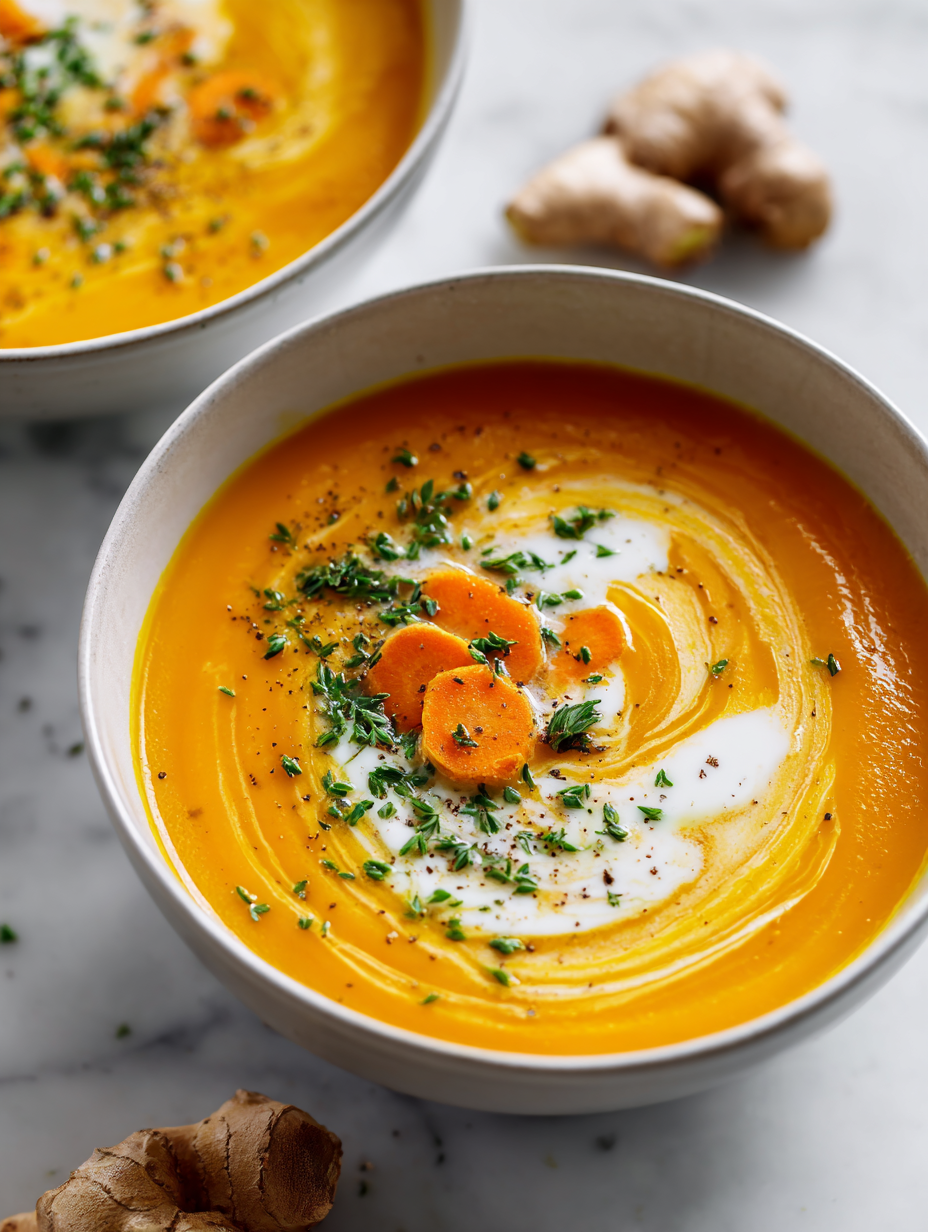
Carrot Ginger Soup
Ingredients
Equipment
Method
- Peel and chop the carrots into small, even pieces for quick, uniform cooking.
- Peel and finely grate the fresh ginger, so it disperses easily during cooking and infuses the soup with its fiery aroma.
- Dice the yellow onion into small pieces, ensuring they cook evenly and develop a sweet, translucent quality.
- Heat the olive oil in a large heavy-bottomed pot over medium heat until shimmering, and add the diced onion.
- Sauté the onion for about 5 minutes until it turns translucent and fragrant, stirring occasionally for even cooking.
- Add the grated ginger to the pot and cook for about 1 minute, releasing a fiery, citrusy aroma as it warms.
- Stir in the chopped carrots and cook for another 3-4 minutes, so they start softening and their color deepens slightly.
- Pour in the vegetable broth, ensuring the vegetables are mostly covered, then turn the heat to high and bring to a gentle boil.
- Reduce the heat to low, cover the pot, and let the soup simmer gently for 20-25 minutes until the carrots are very tender and fragrant.
- Once cooked, remove the soup from the heat and carefully blend until silky smooth using an immersion blender or in batches in a regular blender.
- Stir in a splash of fresh lemon juice and season with salt and pepper, tasting and adjusting to your preference for brightness and seasoning.
- For extra creaminess, stir in a splash of coconut milk if desired, then reheat gently until warmed through.
- Ladle the bright, velvety soup into bowls, drizzle with a little olive oil or garnish with herbs, and serve hot to enjoy its lively, comforting aroma.
Pro tips for perfect carrot ginger soup
- Bold Aromatics: Start with a generous splash of olive oil to develop a rich, fragrant base that enhances the ginger’s zing.
- Finer Grate: Finely grate your ginger to maximize its fiery aroma and ensure even distribution throughout the soup.
- Color Check: Watch the carrots turn a deep, vibrant orange—this signals they’re tender enough for blending.
- Taste Before Serving: Always taste and adjust seasoning—sometimes a squeeze of lemon or a pinch of salt makes all the difference.
- Puree thoroughly: Use an immersion blender until the soup is silky and smooth—avoid lumps for a velvety finish.
- Simmer Gently: Keep the soup at a gentle simmer, not a boil, to preserve brightness and prevent overcooking the delicate flavors.
- Finish with Freshness: A drizzle of olive oil or a squeeze of lemon right before serving brightens the final dish.
Common mistakes and how to fix them
- FORGOT to taste and adjust seasoning before serving — always taste for balance and brightness.
- DUMPED all ingredients into the pot at once — sauté in stages for better flavor development.
- OVER-TORCHED the ginger — add it later if you prefer a milder, fresher ginger flavor.
- FAILED to blend until smooth — ensure a fully pureed, velvety texture for the best experience.
Quick Fixes and Pantry Swaps
- When sauce is too thin, splash in a bit of cream and simmer briefly to thicken.
- If soup is bland, dump in a pinch more salt and a squeeze of lemon for brightness.
- Splash olive oil on top for extra flavor if the soup feels flat after blending.
- Patch overcooked ginger by adding a fresh squeeze of lemon when reheating.
- Shield delicate flavors from overpowering by stirring in a touch of coconut milk to balance heat.
Prep, store, and reheat tips
- Peel and chop carrots and ginger a day ahead; store in airtight containers in the fridge—they’ll stay crisp and fresh for up to 24 hours, preserving their bright aroma and natural sweetness.
- Prepare the broth and sautéed aromatics in advance; keep them refrigerated for up to 2 days. Reheat gently on the stove until fragrant, about 3-5 minutes, checking for aroma and warmth.
- Soup can be made 1-2 days in advance; store in an airtight container in the fridge. Reheat over low heat, stirring occasionally, until steaming and fragrant—expect a slight mellowing of brightness.
- For longer storage, freeze the cooled soup in portions for up to 2 months. Thaw overnight in the fridge, then reheat on the stove, watching for a cloudy appearance and tasting for seasoning adjustments.
- Reheated soup may thicken slightly; stir in a splash of hot water or broth to loosen it up. Reheat until the steam rises and the aroma is lively, making sure it’s hot and inviting before serving.
Top questions about carrot ginger soup
1. Can I use dried ginger instead of fresh?
Fresh ginger adds a bright, fiery aroma that wakes up the soup. Dried ginger is milder and less vibrant, so use half the amount if substituting.
2. Can I prepare the carrots ahead?
Yes, peeling and chopping the carrots in advance saves time. Keep them in an airtight container in the fridge for up to a day.
3. What if my soup is too thick after blending?
If the soup is too thick, stir in a little hot water or broth to loosen it. Reheat gently and adjust seasoning as needed.
4. Can I make this soup dairy-free?
You can substitute coconut milk for cream or yogurt to add richness while keeping it dairy-free. It provides a subtle sweetness and velvety texture.
5. What’s a good broth substitute?
Yes, use vegetable broth, or even water with a splash of soy sauce for umami. The broth enhances flavor, but you can skip it in a pinch.
6. How long should I simmer the soup?
Cooking the ginger and carrots together on a gentle simmer allows their flavors to meld beautifully, creating a lively, zesty aroma.
7. Can I leave the soup chunky?
Yes, blending the soup until silky is key. Use an immersion blender or carefully blend in batches until smooth and velvety.
8. When should I add lemon juice?
Adding a squeeze of lemon juice at the end brightens the flavors and enhances the fresh ginger’s zing.
9. How long can I store leftovers?
Storing the soup in an airtight container in the fridge for up to 2 days is best. Reheat on the stove until steaming hot and fragrant.
10. Can I freeze this soup?
Yes, you can freeze the soup for up to 2 months. Thaw overnight in the fridge and reheat gently, adjusting seasonings if needed.
This soup isn’t just about bright flavors; it’s about the small moments of clarity they bring. The aroma of ginger simmering, the vivid orange color—these details make it a dish that feels alive and real. It’s a reminder that simple ingredients, treated honestly, can turn into something genuinely comforting and invigorating.
In the end, making this carrot ginger soup is about tuning into what each ingredient can do. I find myself returning to it during busy weeks or when I need a little kick of freshness. It’s honest food, with just enough zing to keep me coming back for another spoonful.

Hi, I’m Lucas Foster, the cook, writer, and everyday food enthusiast behind Totally in the Zone. This space is where my love for cooking meets my belief that food should fit into real life. Not rushed. Not overcomplicated. Just thoughtful, satisfying, and made with intention.