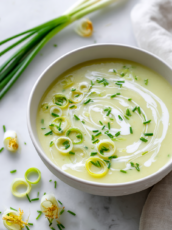
This leek and potato soup might seem like humble fare, but it’s actually a blank canvas for seasonal flavors. I love how a handful of fresh herbs or a splash of local cream can turn it into something uniquely mine. It’s the kind of dish that invites tweaks, depending on what’s in the garden or what’s calling to me from the farmer’s market.
I first started making this soup after a bumper crop of leeks and potatoes one spring. I remember the aroma of caramelized leeks filling the kitchen, a gentle reminder that simple ingredients can create something deeply satisfying. Over time, I’ve come to see it as a cozy, adaptable staple that feels like a hug in a bowl, especially when the weather turns chill.
Focusing on how this simple soup can be a canvas for seasonal variations, highlighting local farm produce and personal tweaks.
The story behind this recipe
This soup came about on a quiet Sunday afternoon, when I had a bunch of leeks and potatoes sitting on the counter, waiting to be used up. I wanted something warm, hearty, but also simple enough to let the flavors shine. It’s become a little ritual, chopping and simmering, that always feels like a small act of kindness in busy days.
Key Ingredients and Tips
- Leeks: I love the sweetness they develop when slowly caramelized, giving the soup a gentle, onion-like depth. Skip the slow sauté if you’re in a rush, but the flavor won’t be as mellow.
- Potatoes: Russets break down into a velvety consistency that’s perfect for creamy soup. If you prefer a slightly lighter texture, Yukon Golds add a buttery note and a bit more resilience.
- Butter: I rely on good butter to start the base—its rich aroma during sweating the leeks is pure comfort. For a dairy-free version, coconut oil adds a subtle sweetness, but it won’t mimic the richness exactly.
- Vegetable Stock: I prefer homemade if I have time; it makes a noticeable difference in flavor. Store-bought works fine, just look for one with a deep, savory profile and no added sugar.
- Cream: A splash of heavy cream adds that velvety finish I crave, but if you want to lighten it up, a dollop of Greek yogurt stirred in just before serving is tangy and fresh. Watch out for curdling if the soup is too hot.
- Salt & Pepper: I adjust these last, tasting often. A pinch of freshly grated nutmeg can add warmth; don’t overdo it, or it’ll overpower the gentle leek sweetness.
- Fresh Herbs: Chives or parsley brightens the bowl just before serving, cutting through the richness and adding a lively contrast. Use sparingly if you’re sensitive to herbal flavors.
Spotlight on key ingredients
Leeks:
- I love how they slowly soften and release a sweet, onion-like aroma. Their gentle flavor deepens as they caramelize, creating a mellow sweetness that’s essential for this soup.
- Potatoes: Russets break down into a silky, velvety texture that’s perfect for creaminess. Yukon Golds add a buttery note and resilience, making the soup richer and more satisfying.
Cream:
- Butter: I rely on good butter to start the base—its aroma during sweating is pure comfort. It helps develop the leeks’ sweetness and adds richness, though coconut oil can be a dairy-free alternative with a subtly different flavor.
- A splash of heavy cream gives the soup its luxurious velvety finish. It melts into the hot soup smoothly, leaving a rich, slightly glossy surface that coats the palate.
Notes for ingredient swaps
- Dairy-Free: Swap heavy cream for coconut cream or cashew cream. It keeps the soup rich, but with a subtle coconut or nutty flavor.
- Vegan: Use vegetable broth instead of chicken stock, and coconut or cashew cream instead of dairy cream for a plant-based version.
- Low-Starch: Replace potatoes with cauliflower for a lighter, slightly more vegetal flavor and lower carbs.
- Herb Variations: Swap parsley for cilantro or dill for a different herbal brightness that can change the whole vibe.
- Saltiness: Use soy sauce or miso paste instead of salt for a umami boost that deepens the flavor.
- Sweetness: Add a touch of honey or maple syrup if the leeks or potatoes seem too dull or flat, balancing the earthy notes.
- Texture Boost: For extra body, stir in cooked rice or small pasta shells after blending, for a more filling soup.
Equipment & Tools
- Heavy-bottomed pot: Ensures even heat for gentle cooking and prevents scorching.
- Immersion blender or regular blender: Purees the soup smoothly, creating the desired velvety texture.
- Wooden spoon: Stirs the vegetables gently, avoiding scratching the pot.
- Measuring cups: Accurately measures liquids and cream for consistent results.
Step-by-step guide to creamy leek and potato soup
- Gather your equipment: heavy-bottomed soup pot, immersion blender or regular blender, wooden spoon, and measuring cups. The heavy pot distributes heat evenly, preventing hot spots.
- Prepare the vegetables: rinse 3 large leeks thoroughly, slicing them thinly. Peel 2 large potatoes and chop into small chunks. Keep everything ready for quick cooking.
- Start with butter: melt 2 tablespoons in the pot over medium heat (around 160°C/320°F). Once melted and shimmering, add the leeks.
- Sweat the leeks: cook gently, stirring often, until they soften and turn a pale golden, about 8-10 minutes. They should smell sweet and fragrant, not burnt.
- Add potatoes: toss in the chopped potatoes, stir to coat with the leek butter, and cook for 2 minutes. Then pour in 4 cups vegetable stock. Bring to a simmer, around 85°C/185°F.
- Simmer gently: cook uncovered, stirring occasionally, until potatoes are tender when pierced with a fork, about 15-20 minutes. The broth should look slightly thickened, and the vegetables cooked through.
- Blend the soup: use an immersion blender directly in the pot or transfer to a blender in batches. Puree until smooth and velvety. Be cautious with hot liquids—vent the lid slightly to prevent splashes.
- Check for consistency: if too thick, add a splash more stock or water. If too thin, simmer a few minutes longer to thicken. Taste and adjust salt, pepper, and optional nutmeg.
- Finish with cream: stir in ½ cup heavy cream or a dollop of Greek yogurt for extra richness. Warm through but do not boil to prevent curdling.
- Rest and plate: let the soup sit for 5 minutes off the heat to meld flavors. Ladle into bowls, garnish with chopped herbs, and serve hot.
Let the soup rest for 5 minutes to allow flavors to meld. Serve hot, garnished with fresh herbs, and enjoy its comforting warmth.
How to Know It’s Done
- Leeks are caramelized with a sweet aroma and light golden color.
- Potatoes are tender when pierced with a fork, with a soft, mashable texture.
- Soup is smooth and velvety after blending, with a gentle, creamy consistency.
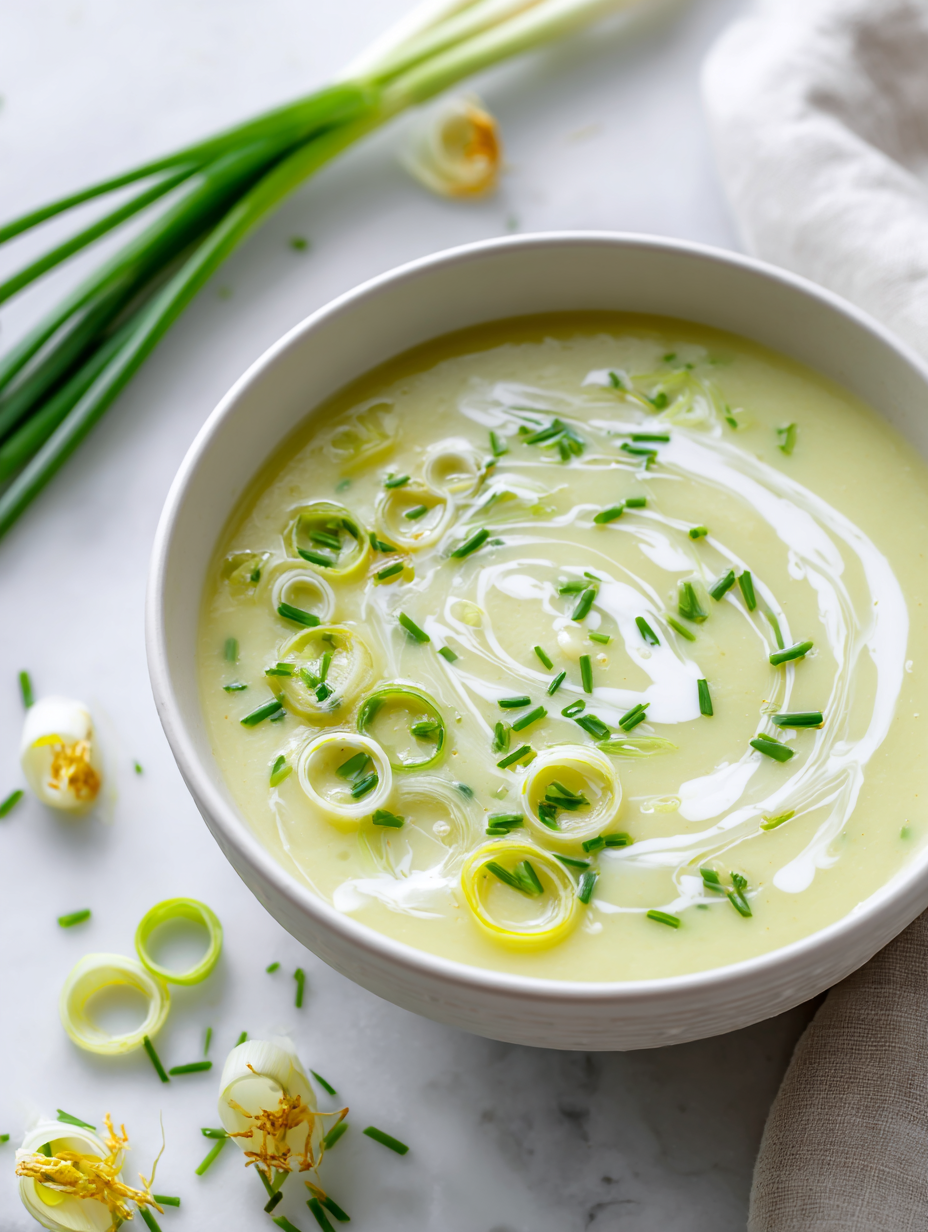
Creamy Leek and Potato Soup
Ingredients
Equipment
Method
- Heat the heavy-bottomed pot over medium heat and add the butter, letting it melt until it starts to shimmer.
- Add the sliced leeks to the pot and cook gently, stirring often, until they soften and turn a pale golden, about 8-10 minutes. The aroma of sweet, caramelized leeks will fill the kitchen.
- Stir in the chopped potatoes, coating them with the leek butter mixture, and cook for another 2 minutes while stirring.
- Pour in the vegetable stock, bringing the mixture to a gentle simmer. Cover the pot loosely and cook until the potatoes are tender when pierced with a fork, about 15-20 minutes.
- Remove the pot from heat and use an immersion blender to puree the soup until smooth and velvety, or transfer in batches to a blender, blending carefully with vented lid.
- Stir in the heavy cream, then season with salt and pepper to taste. Warm the soup gently over low heat, but do not boil to avoid curdling.
- Let the soup rest for a few minutes to meld the flavors, then ladle into bowls and garnish with chopped fresh herbs if desired. Serve hot and enjoy the cozy, silky texture.
Pro tips for perfect soup
- Caramelize the leeks slowly over medium heat until they turn a soft, golden hue—sweet smells will fill your kitchen.
- When adding potatoes, stir well to coat with the leek butter—this helps them cook evenly and develop flavor.
- Puree the soup in batches if using a blender—vent the lid slightly to prevent hot splashes and burns.
- Adjust the soup’s thickness with extra stock or simmer longer—aim for a velvety, coat-your-spoon consistency.
- Finish with a splash of cream off the heat—this prevents curdling and keeps the surface glossy and inviting.
- Use fresh herbs at the end—chopped parsley or chives add a bright, herbal contrast that lifts the richness.
Common mistakes and how to fix them
- FORGOT to monitor heat during sweating, resulting in burnt leeks. Use medium heat and stir often.
- DUMPED the soup straight into the blender, causing hot splashes. Let it cool slightly first.
- OVER-TORCHED the potatoes, turning them brown. Reduce heat if you see color darken too quickly.
- FAILED to taste and adjust seasoning at the end. Always do a final taste test before serving.
Quick fixes and pantry swaps
- When soup looks dull, splash in a dash of lemon juice for brightness.
- If soup is too thick, pour in a little hot water and stir gently.
- Patch over a burnt flavor by adding a splash of vinegar and extra stock.
- When leeks stick or burn, stir in a splash of water and turn down the heat.
- Shield from over-torching by keeping the heat at medium, especially during caramelizing.
Prep, store, and reheat tips
- You can prep the leeks, potatoes, and stock a day ahead; store chopped vegetables in airtight containers in the fridge for up to 24 hours. The aroma of fresh leeks and earthy potatoes will be waiting to be transformed.
- The cooked soup keeps well in the fridge for up to 3 days. Reheat gently over low heat, stirring occasionally until steaming hot—look for a silky, inviting sheen and a warm aroma.
- For longer storage, freeze in portions for up to 2 months. Thaw in the fridge overnight, then reheat, adjusting with a splash of stock if it thickens too much during freezing.
- Reheating brings out a richer, more integrated flavor—the slow melding of ingredients makes it feel even cozier. Just beware of curdling if overheated; stir well and warm gently.
Top questions about leek and potato soup
1. Should I peel the potatoes and leeks?
Yes, peeling the potatoes is optional if they’re organic and well-washed, but peeling leeks helps remove grit and makes for a smoother soup.
2. Which potatoes work best?
Using Russet potatoes creates a creamier, velvety texture due to their high starch content. Yukon Golds add a buttery flavor and resilience.
3. Can I make it dairy-free?
You can substitute heavy cream with coconut cream or cashew cream for a dairy-free version. They add richness but with different flavor nuances.
4. How do I caramelize the leeks properly?
Caramelize the leeks slowly over medium heat until they turn a soft, golden hue. This brings out their natural sweetness and deep flavor.
5. Should I add spices or herbs?
Yes, adding a pinch of nutmeg enhances the warmth and depth of the soup without overpowering the delicate leek flavor.
6. How do I adjust the soup’s consistency?
If the soup is too thick, stir in a bit more hot stock or water. For thinner soup, simmer a few minutes longer to reduce and thicken naturally.
7. How do I get it really smooth?
Puree the soup until smooth and velvety. Use an immersion blender directly in the pot for convenience, or transfer in batches carefully if using a traditional blender.
8. Can I make it ahead?
Best served immediately, but it keeps in the fridge for 2-3 days. Reheat gently over low heat, stirring often, until steaming hot.
9. What common mistakes should I avoid?
Over-torching the potatoes can turn them brown and bitter. Keep the heat at medium and stir frequently to prevent burning.
10. Any quick finishing tips?
Adding a squeeze of lemon juice just before serving brightens the flavors and cuts through the richness beautifully.
This soup feels like a small act of kindness, especially on chilly days when warmth is what you need most. The gentle aroma of caramelized leeks and the creamy texture make it a comforting, honest bowl that’s easy to tweak with seasonal ingredients.
Making it in the kitchen reminds me how simple ingredients can come together into something nourishing and satisfying. It’s not just about the flavor but the quiet, mindful process of creating something warm and real—something worth returning to, season after season.

Hi, I’m Lucas Foster, the cook, writer, and everyday food enthusiast behind Totally in the Zone. This space is where my love for cooking meets my belief that food should fit into real life. Not rushed. Not overcomplicated. Just thoughtful, satisfying, and made with intention.