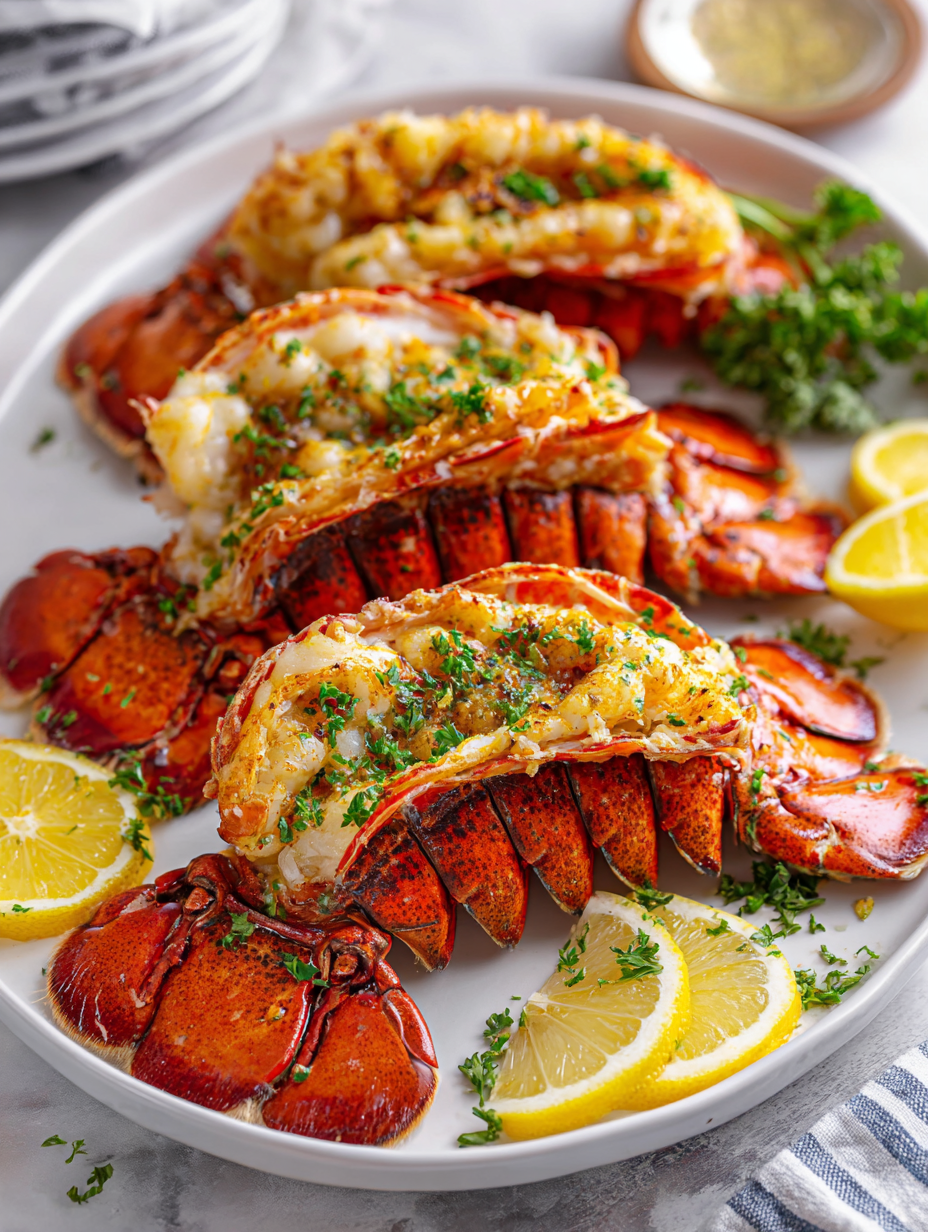
There’s something about lobster that instantly feels special, like a treat you don’t indulge in often enough. When you slather it with garlic butter, that richness amplifies the lobster’s natural sweetness, making each bite feel indulgent but straightforward. It’s one of those dishes that feels fancy but is surprisingly easy to pull off at home, especially when you focus on that perfect buttery crust.
The trick is in the details—getting the garlic butter just right so it clings to every inch of the lobster tail, creating a fragrant, savory crust that crackles slightly as it cooks. It’s a simple pleasure, watching the butter bubble and turn golden, filling your kitchen with that irresistible aroma of garlic, butter, and seafood. It’s honestly a dish that feels like a small celebration, no matter the occasion.
This recipe is about highlighting the lobster’s natural charm while adding that rich, aromatic layer of garlic butter — a little bit of luxury in a quick, approachable package. Whether for a special dinner or a spontaneous seafood craving, it’s a way to make lobster feel accessible without skimping on flavor or elegance.
Focusing on how the garlic butter enhances the lobster’s natural sweetness and creates a rich, aromatic crust that transforms the seafood into a luxurious, yet straightforward dish.
The story behind this recipe
This recipe came from a night when I found myself with a lobster tail that needed more than just boiling. I wanted to elevate it without fuss—something that felt indulgent but still approachable. The garlic butter idea struck me because it’s simple, fragrant, and instantly makes seafood feel special. I remember the first time I cooked it—watching that butter turn golden and smell that sharp garlic aroma, I knew I had to share it.
Key ingredients and tips
- Unsalted butter: I love how the butter melts into a silky, fragrant pool that coats the lobster. Use good quality butter—your nose will thank you when it smells rich and garlic-y.
- Garlic: Fresh garlic is key for that punch of sharp, aromatic flavor. Crush it really well; the oils release better, making the crust smell like heaven in the pan.
- Lobster tail: The sweet, tender flesh of the lobster is what makes this dish special. Look for tails with firm, slightly translucent meat; avoid anything slimy or dull.
- Paprika (optional): I add a pinch for color and a smoky note. It’s subtle but makes the butter crust look vibrant and inviting—don’t overdo it, just a dash.
- Lemon juice: Brightens the whole dish with a zesty hit. Squeeze fresh lemon right before serving—nothing beats that fresh, citrus shimmer on the rich butter.
- Parsley (for garnish): Fresh parsley adds a pop of herbal freshness and color. Chop it finely and sprinkle generously after cooking to keep that bright, garden-fresh note.
- Salt & pepper: Season the butter generously but taste as you go. The right balance pulls all the flavors into harmony—think of it as the seasoning that makes everything pop.
Spotlight on key ingredients
Garlic:
- Unsalted butter: I love how the butter melts into a silky, fragrant pool that coats the lobster. Use good quality butter—your nose will thank you when it smells rich and garlic-y.
- Fresh garlic is key for that punch of sharp, aromatic flavor. Crush it really well; the oils release better, making the crust smell like heaven in the pan.
- Lobster tail: The sweet, tender flesh of the lobster is what makes this dish special. Look for tails with firm, slightly translucent meat; avoid anything slimy or dull.
Lemon:
- Butter: It’s the foundation—rich, creamy, and essential for that luscious garlic butter coating. Use real butter for depth, not margarine.
- Brightens and balances the richness with a citrus shimmer. Squeeze fresh lemon just before serving for the best zing.
Notes for ingredient swaps
- Dairy-Free: Use coconut oil instead of butter for a fragrant, slightly richer aroma, though it won’t have the same creamy richness.
- Vegan Butter: Swap with a plant-based butter; it melts similarly but may lack the depth of dairy butter’s flavor.
- Garlic: Roasted garlic or garlic powder can be used in a pinch, but fresh crushed garlic provides a sharper, more vibrant aroma.
- Lemon Juice: Lime juice or vinegar can add acidity, but lemon’s bright, citrusy note is hard to beat for freshness.
- Paprika: Smoked paprika adds a smoky depth; sweet paprika keeps it mild and colorful, but skip it if you want pure garlic butter flavor.
- Herbs: Parsley can be replaced with tarragon or chives for a different herbal note; fresh herbs are always best for brightness.
- Seafood: If lobster isn’t available, large shrimp or scallops make good substitutes, but adjust cooking time accordingly.
Equipment & Tools
- Kitchen scissors or seafood shears: To cut through the shell cleanly.
- Baking sheet or oven-safe pan: To roast the lobster tails evenly.
- Basting brush: To coat the lobster with garlic butter.
- Small bowl: To melt and mix the garlic butter.
Step-by-step guide to garlic butter lobster
- Equipment & Tools: Get a sharp kitchen scissors or seafood shears (to cut shell), a baking sheet or oven-safe pan (for roasting), a basting brush (to apply butter), and a small bowl (for melting butter).
- Preheat oven to 200°C (390°F).
- Prepare the lobster tail: Using scissors, cut down the top shell from the open end to the tail fin, about 3/4 of the way through. Gently pry open and loosen the meat from the shell, leaving it attached at the tail fin. Rest the meat on top of the shell for presentation.
- Make garlic butter: Melt 1/2 cup (113g) unsalted butter in a small bowl, add 4 minced garlic cloves, a pinch of paprika, a squeeze of lemon juice, and a pinch of salt and pepper. Mix well.
- Apply butter: Use a basting brush to coat the lobster meat generously with the garlic butter, ensuring it reaches into the crevices. Reserve some butter for basting during roasting.
- Roast the lobster: Place the prepared lobster tails on the baking sheet. Roast in the oven for 12-15 minutes, until the meat is opaque and just firm to the touch. Baste once halfway through with remaining butter.
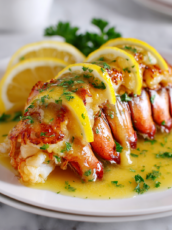
- Check doneness: The meat should be pearly white and slightly charred at the edges. The shell may turn a little pink or red. The butter should be bubbling and fragrant.
- Rest & serve: Let the lobster tails rest for 2-3 minutes. Garnish with chopped parsley and a squeeze of fresh lemon. Serve immediately with extra garlic butter on the side.
Rest the lobster tails for 2-3 minutes. Garnish with chopped parsley and a squeeze of lemon. Serve hot with extra garlic butter for dipping.
How to Know It’s Done
- Lobster meat is opaque and firm, with a slight bounce when pressed.
- Butter bubbles and turns golden, filling the air with garlic aroma.
- Shells have a vibrant hue with slight charring at the edges.
Garlic Butter Lobster Tails
Ingredients
Equipment
Method
- Use kitchen scissors or seafood shears to carefully cut down the top shell of each lobster tail from the open end to just before the fin, creating an opening. Gently pry open the shell and loosen the meat, lifting it slightly while keeping it attached at the tail fin, then rest the meat on top of the shell for an attractive presentation.
- In a small bowl, melt the butter and stir in the minced garlic, paprika, lemon juice, and a pinch of salt and pepper. Mix until fragrant and well combined, watching the butter turn a rich golden color and smelling the garlic aroma fill your kitchen.
- Using a basting brush, generously coat the lobster meat with the garlic butter, making sure to reach into all the crevices and covering the meat evenly for maximum flavor and richness.
- Preheat your oven to 200°C (390°F). Arrange the prepared lobster tails on a baking sheet or oven-safe pan, shell side down, and place them in the oven to roast for about 12 to 15 minutes. Baste the lobster with any remaining garlic butter halfway through cooking for an extra golden, flavorful crust.
- Watch as the lobster meat turns opaque and firm, with the shell taking on a vibrant hue and slight charring at the edges. The garlic butter should bubble and turn a beautiful golden color, filling your kitchen with a delicious aroma.
- Remove the lobster tails from the oven and let them rest for 2-3 minutes. Garnish with chopped parsley and a squeeze of fresh lemon over the top for a bright, herbal finish. Serve immediately with extra garlic butter on the side for dipping.
Pro tips for perfect lobster
- Bolded mini-head: Use a high-smoke point oil to sear the lobster shell before buttering—this adds a subtle char and enhances flavor.
- Bolded mini-head: Apply garlic butter generously—don’t be shy, the more butter, the richer the crust gets, filling your kitchen with aroma.
- Bolded mini-head: Baste mid-roast—keep that buttery coating bubbling to develop a golden, slightly crispy surface.
- Bolded mini-head: Watch the oven closely—at 200°C (390°F), lobster can go from perfect to overdone quickly. Look for opaque, firm flesh.
- Bolded mini-head: Rest briefly after roasting—this allows juices to redistribute, keeping the meat tender and flavorful, not rubbery.
- Bolded mini-head: Finish with fresh herbs and lemon—brighten the rich butter with a quick squeeze and a sprinkle of parsley for contrast.
Common mistakes and how to fix them
- FORGOT to preheat oven → Always preheat for even cooking and better crust formation.
- DUMPED too much garlic → Use fresh, minced garlic; avoid overpowering the delicate lobster flavor.
- OVER-TORCHED the butter → Keep an eye during roasting; butter can burn quickly at high heat.
- UNDER-seasoned the butter → Taste the garlic butter before applying; it should be rich and well-salted.
Quick fixes and pantry swaps
- If sauce separates, splash in a teaspoon of cold water and whisk until smooth.
- When lobster is undercooked, patch with a quick 2-minute roast at 200°C (390°F).
- Splash extra lemon juice if butter feels too heavy or dulls in flavor.
- DUMPED too much garlic? Use fresh, minced garlic directly in the butter for vivid aroma.
- When butter burns, shield with a piece of foil and reduce oven temp to 180°C (355°F).
Prep, store, and reheat tips
- Prep the garlic butter: Make and store in the fridge up to 2 days ahead. It firms up slightly but melts beautifully when reheated, filling your kitchen with that garlicky aroma.
- Prepare lobster tails: Cut and shell the tails in advance. Keep refrigerated wrapped tightly for up to 24 hours. The meat might lose a touch of freshness but remains juicy when cooked.
- Refrigerate leftovers: Store cooked lobster in an airtight container for up to 2 days. The flavor deepens slightly, making the meat a bit more concentrated—reheat gently to avoid rubbery texture.
- Reheat carefully: Warm in a covered skillet over low heat or in a 150°C (300°F) oven. Expect the butter to shimmer and smell even more fragrant, but avoid overheating to keep the lobster tender.
Top questions about garlic butter lobster
1. Can I use garlic powder instead of fresh garlic?
Use fresh garlic for a sharp, aromatic punch that really stands out in the butter.
2. Can I substitute garlic powder?
Yes, but it won’t have the same vibrant, pungent aroma. Use about half the amount of garlic powder.
3. Will garlic powder work?
Absolutely. Just mix it into the butter and brush on the lobster, but expect a milder garlic flavor.
4. How do I know when the lobster is done?
Cook the lobster until the meat is opaque and firm—about 12-15 minutes at 200°C (390°F).
5. What’s the visual cue for doneness?
The lobster meat should be pearly white, slightly firm, and the shell vibrant with a little charring at the edges.
6. What kind of butter should I use?
Use a good-quality, unsalted butter for a rich, creamy base that really absorbs the garlic aroma.
7. How important is lemon juice?
Fresh lemon juice brightens the dish and cuts through the richness of the butter—add just before serving.
8. Can I make the garlic butter in advance?
Yes, you can prepare the garlic butter ahead and keep it refrigerated for up to 2 days for convenience.
9. What if the butter starts to burn?
If the butter starts to burn, shield the lobster with foil and lower your oven temperature slightly.
10. How do I prepare the lobster shell for roasting?
Use kitchen scissors or seafood shears to cut the shell cleanly, making it easier to loosen the meat.
This garlic butter lobster tail isn’t just a meal; it’s a small act of luxury you can pull off on a weeknight. The rich aroma of garlic and butter filling your kitchen makes every effort feel worthwhile. It’s a reminder that simple ingredients, treated right, can turn into something memorable.
In the end, it’s about those little moments—savoring tender lobster with that fragrant, slightly crispy crust. Whether it’s a special occasion or a spontaneous treat, this dish captures that feeling of indulgence without fuss. Sometimes, the simplest pleasures stay with you the longest.

Hi, I’m Lucas Foster, the cook, writer, and everyday food enthusiast behind Totally in the Zone. This space is where my love for cooking meets my belief that food should fit into real life. Not rushed. Not overcomplicated. Just thoughtful, satisfying, and made with intention.