Making this cold pesto pasta salad means boiling pasta, then rinsing it under cold water until it stops steaming. You’ll want to toss it with a bit of oil to keep it from sticking while you prep the other ingredients.
Chopping fresh veggies—like cherry tomatoes, cucumbers, and red onions—adds crunch and color. Everything gets mixed together in a big bowl, then coated with pesto that’s thick and fragrant, ready to chill.
The crunch of cold pasta as you toss it with the pesto, each bite crackling with fresh, vibrant texture.
Grocery notes and swaps
- Pasta: I go for rotini or penne—something with ridges that clings to pesto. Cook until just al dente, then rinse under cold water until it stops steaming. Skip the oil if you’re in a rush, but it helps prevent sticking.
- Basil pesto: Fresh, oily, herby—nothing beats homemade, but store-bought works in a pinch. Choose a bright, garlicky one with a good amount of cheese. You can swap in sun-dried tomato pesto for a smoky twist.
- Cherry tomatoes: I love the burst of sweetness and juiciness, especially if they’re ripe and firm. Halve them for even distribution. If out of season, roasted or sun-dried tomatoes add a concentrated flavor.
- Cucumbers: Crunchy and refreshing, I prefer seedless Persian cukes—they stay firm and are less watery. For a little more bite, toss in some radishes or shredded carrots.
- Red onion: Sharp and pungent, but I soak sliced onions in cold water for 10 minutes to mellow the bite. Red onion adds color and a bit of tang, but scallions work if you want milder flavor.
- Parmesan: Freshly grated adds a salty, umami punch. If you’re out, Pecorino or even nutritional yeast can bring a cheesy depth—just keep it in the same savory zone.
- Lemon juice: Brightens everything with a zingy aroma and cuts through the richness of pesto. If lemon’s scarce, a splash of vinegar can mimic that tang, but lemon keeps it lively.
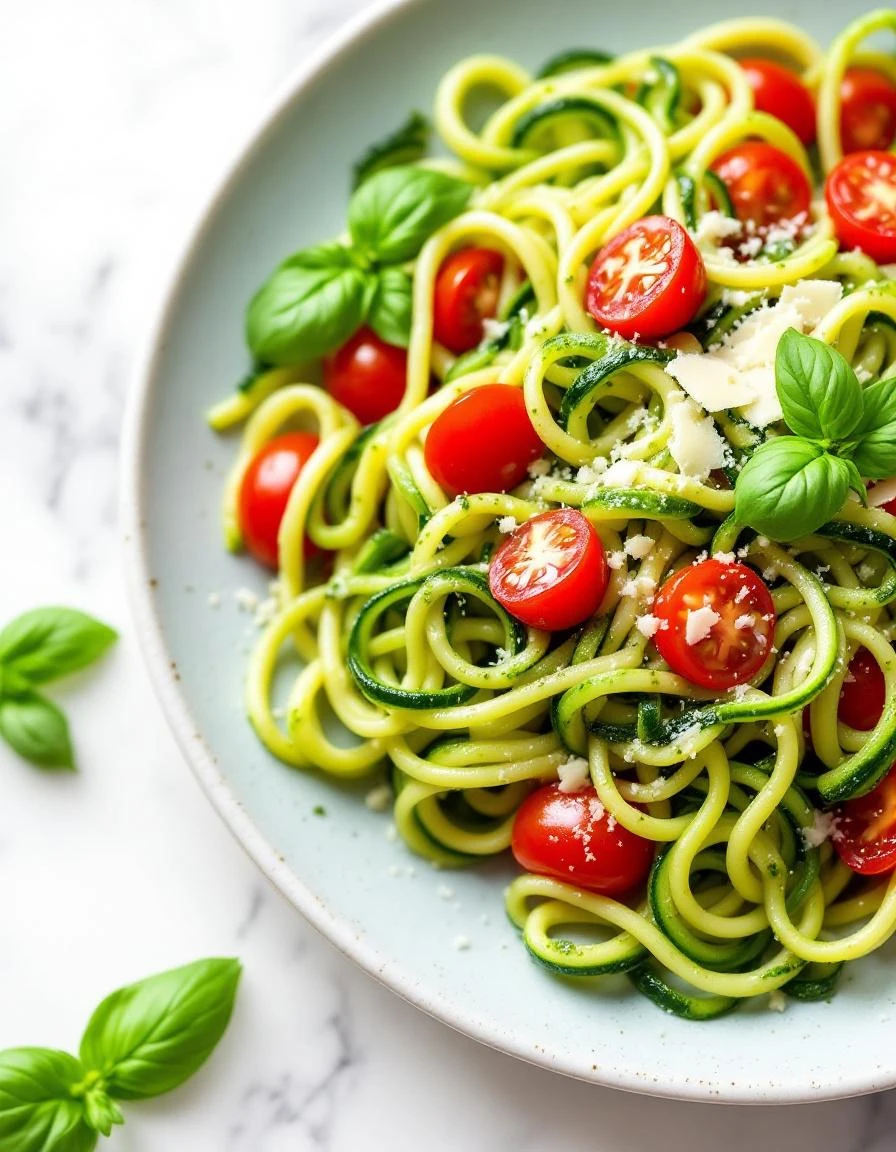
Cold Pesto Pasta Salad
Ingredients
Equipment
Method
- Bring a large pot of salted water to a boil, then add the pasta and cook until just al dente, following package instructions. Drain and rinse thoroughly under cold water until completely cooled, then toss with a little oil to prevent sticking.
- While the pasta cools, chop the cherry tomatoes into halves, thinly slice the cucumbers, and soak the red onion slices in cold water for about 10 minutes to mellow their sharpness. Drain and set aside.
- In a large mixing bowl, combine the cooled pasta, halved cherry tomatoes, sliced cucumbers, and drained red onion. Toss everything gently to distribute evenly.
- Add the pesto and lemon juice to the bowl, then stir well until all the pasta and vegetables are evenly coated with the fragrant, herby sauce.
- Sprinkle in the freshly grated Parmesan cheese and toss again to incorporate the cheesy bits throughout the salad.
- Cover the bowl with plastic wrap and refrigerate for at least an hour to let the flavors meld and the salad chill thoroughly.
- Before serving, give the salad a good stir to refresh the pesto coating and redistribute any juices. Serve chilled, enjoying the crisp vegetables and fragrant, herbaceous pasta.
Common mistakes and how to fix them
- FORGOT to rinse pasta thoroughly, resulting in sticky clumps. Always rinse until cold to stop cooking.
- DUMPED pesto directly on hot pasta, causing it to wilt. Wait for pasta to cool before mixing.
- OVER-TORCHED the pasta in boiling water, making it mushy. Cook until just al dente, then drain.
- MISSED to check salt levels in water, leading to bland pasta. Salt generously for flavor from the start.
Make-Ahead and Storage Tips
- Prep all ingredients—chopping veggies, cooking pasta—a day ahead to save time on the day. Keep everything in airtight containers in the fridge.
- Cooked pasta can be stored in the fridge for up to 24 hours without losing texture, but best eaten within that window to keep the crunch.
- Pesto can be made ahead or bought; store in a jar, covered with a thin layer of oil, for up to 3 days in the fridge to preserve its vibrant aroma.
- Combine pasta with pesto and veggies no more than 2 hours before serving. Keep chilled but serve at room temp for best texture.
- Stir the salad well before serving—this helps reincorporate any pesto that may have settled and refreshes the flavors.
- Avoid freezing this dish—pasta and pesto don’t freeze well, and texture suffers after thawing.
FAQs
1. Should the pasta be hot or cold?
The pasta is cold but still firm, with a slight chew. The pesto gives it a fragrant, oily coating that feels slick and vibrant. When you bite, the crunch of fresh veggies contrasts sharply with the smooth pesto.
2. How long should I chill the salad?
It should be chilled, but not frozen. The cold temp keeps the pesto fresh and the veggies crisp, making each bite lively and refreshing. Let it sit in the fridge for at least an hour before serving.
3. Can I add more lemon?
Yes, adding more lemon juice brightens the flavors and cuts through richness. You’ll notice a zesty aroma and a tangy punch that wakes up all the ingredients. Adjust to taste after mixing.
4. How do I keep it fresh for hours?
Stir the salad well before serving to redistribute pesto and juices. If it’s been sitting, the flavors settle and the veggies may release moisture, making it less crisp. A good toss revitalizes everything.
5. Can I make this in advance?
You can prepare the pasta, chop the veggies, and make the pesto a day ahead. Keep everything separate and combine just before serving. This keeps everything crisp and fragrant, with no sogginess.

Hi, I’m Lucas Foster, the cook, writer, and everyday food enthusiast behind Totally in the Zone. This space is where my love for cooking meets my belief that food should fit into real life. Not rushed. Not overcomplicated. Just thoughtful, satisfying, and made with intention.