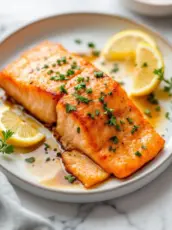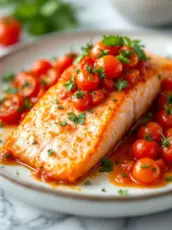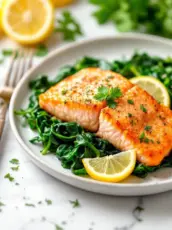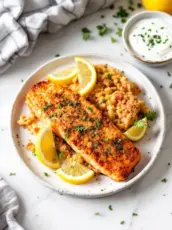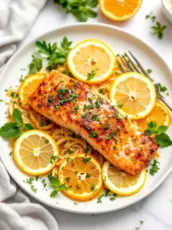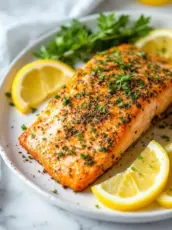
Firing up the air fryer means you get to skip the stove splatters and still get that crispy, caramelized edge on the salmon. You’ll hear the gentle sizzle as the honey glaze hits the hot basket, forming a crackly crust that sticks stubbornly to the fish.
Prepping the salmon is straightforward—brush with honey, sprinkle a little salt, and pop it in. No fancy marinades or fuss, just a simple swap of ingredients and a few minutes of wait while it cooks up golden and sticky.
The sticky glaze clings to the fork as you lift a flaky piece, the honey caramelized edges crackle softly when bitten.
What goes into this dish
- Salmon fillet: I look for bright, firm flesh with a shiny skin—less fishy smell, more fresh ocean. Skip the thickest parts if you want quicker cooking, or go for the skinless if you prefer no crunch.
- Honey: Use good-quality, not-too-thick honey—less drippy, more sticky glaze. If you’re out, maple syrup makes a smoky-sweet swap that still caramelizes nicely.
- Soy sauce: Brings umami and a salty punch; if you’re avoiding soy, coconut aminos are a gentle, sweeter alternative, but keep the salt low so it doesn’t overpower.
- Garlic powder: It’s the quick way to punch flavor without fuss—if fresh garlic, mince finely and add after cooking for less burning. Smells sharp and inviting as it cooks.
- Salt and pepper: Essential for balancing sweetness and richness—adjust based on how salty your soy or honey is. A pinch of chili flakes adds a fiery kick if you like heat.
- Cooking spray or oil: Ensures the salmon doesn’t stick and crisps up—if you skip it, expect a sticky mess and less crunch. A light spray keeps things easy and clean.
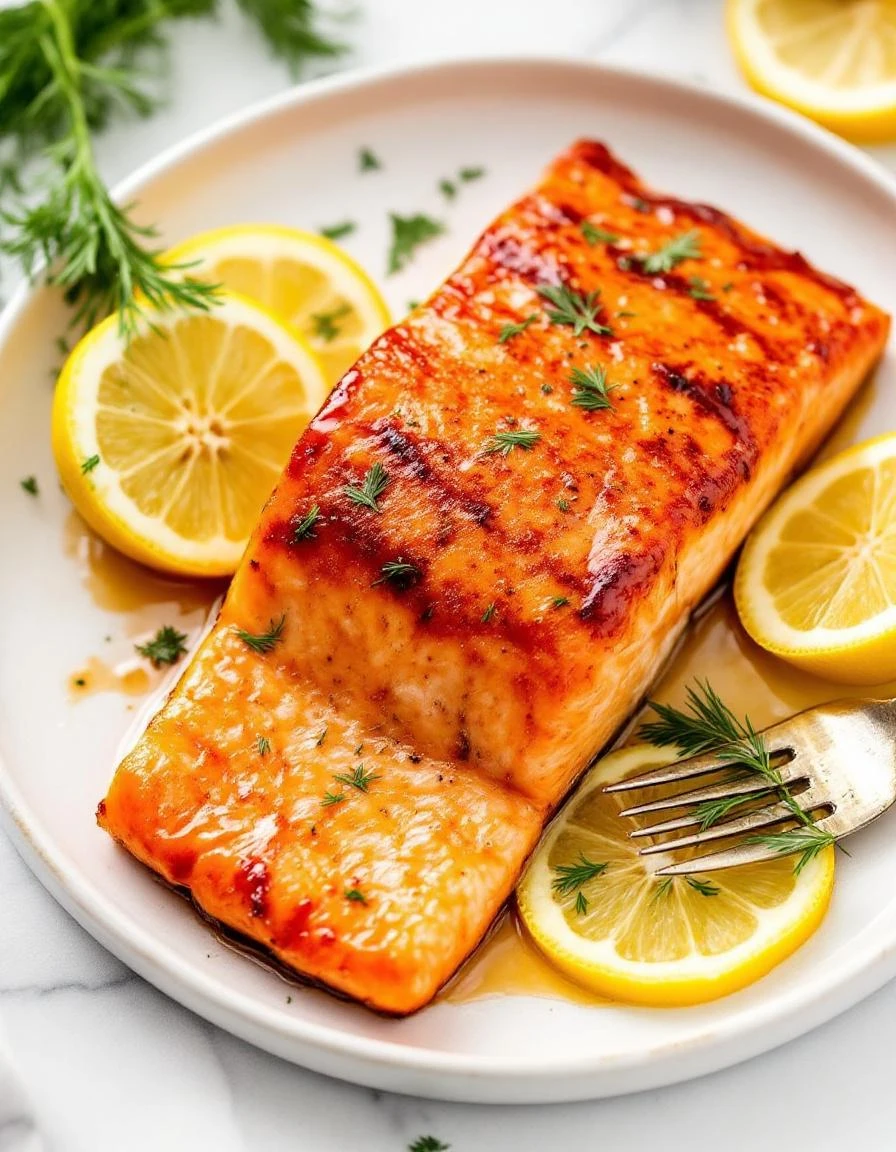
Honey Glazed Air Fryer Salmon
Ingredients
Equipment
Method
- Preheat your air fryer to 400°F (200°C) and give the basket a quick spray of oil to prevent sticking.
- Pat the salmon fillets dry with paper towels and place them on a plate.
- Brush each fillet generously with honey, ensuring the glaze covers the top evenly, then sprinkle with salt, pepper, and garlic powder.
- Place the coated salmon fillets in the air fryer basket, skin-side down if using skin-on, leaving space between each piece for even cooking.
- Cook the salmon at 400°F for about 8-10 minutes, or until the edges turn crispy and golden, and the fish flakes easily with a fork.
- Once cooked, carefully remove the salmon from the basket and let it rest for a minute to set the glaze.
- If desired, sprinkle the salmon with a little fresh garlic or additional seasonings, then serve immediately with the sticky, caramelized edges crackling at each bite.
Common mistakes and how to fix them
- FORGOT to preheat the air fryer, resulting in uneven cooking—always give it a few minutes to warm up.
- DUMPED in too much honey at once, causing excessive drips and burning—add honey in layers or brush on.
- OVER-TORCHED the salmon, making it dry and tough—set a timer and check early to avoid overcooking.
- MISSED flipping or turning the fillet, leading to uneven caramelization—turn halfway through for even glaze.
Make-Ahead and Storage Tips
- You can prep the salmon by brushing on honey and seasoning a day ahead; keep it covered in the fridge for up to 24 hours. The honey marinade intensifies, so expect a slightly richer flavor after resting.
- Freeze the seasoned salmon if you’re prepping more than a day ahead—wrap tightly in plastic and store for up to 2 months. Thaw in the fridge overnight before cooking for best texture.
- The honey glaze can be made in advance and stored in a jar in the fridge for up to a week. Reheat gently, watch for separation—stir or remix before applying.
- Reheating cooked salmon should be done carefully—use the air fryer at 350°F for 3-4 minutes, until warmed through and the edges crisp up again. Check for flakiness and aroma of caramelized honey.
- Flavors mellow and deepen overnight, especially if marinated. Expect a slightly stickier glaze and a richer, more concentrated honey scent after a day in the fridge.
FAQs
1. How do I know when the salmon is done?
The salmon should feel firm yet slightly springy when you press it, and the skin should be crispy and crackling when you lift a forkful. The honey glaze will be sticky and slightly toasted with a sweet, smoky aroma.
2. What texture should the salmon have?
Look for a flaky texture that separates easily with gentle pressure. The edges will have a caramelized, golden-brown crust, and the glaze will be bubbling slightly.
3. Can I substitute honey?
Use honey that’s thick enough to stick but not so runny it drips excessively. Maple syrup can work if you want a smoky sweetness, but it caramelizes differently and may burn faster.
4. Why does my honey burn in the air fryer?
Avoid overloading the basket with too much honey or oil, which can cause smoking or uneven cooking. Keep the salmon in a single layer with space around each piece for crisping.
5. How do I reheat leftovers?
Reheat the cooked salmon at 350°F for 3-4 minutes. The edges will re-crisp, and the honey will warm up, releasing that inviting caramel smell. Watch it closely to prevent burning.

Hi, I’m Lucas Foster, the cook, writer, and everyday food enthusiast behind Totally in the Zone. This space is where my love for cooking meets my belief that food should fit into real life. Not rushed. Not overcomplicated. Just thoughtful, satisfying, and made with intention.